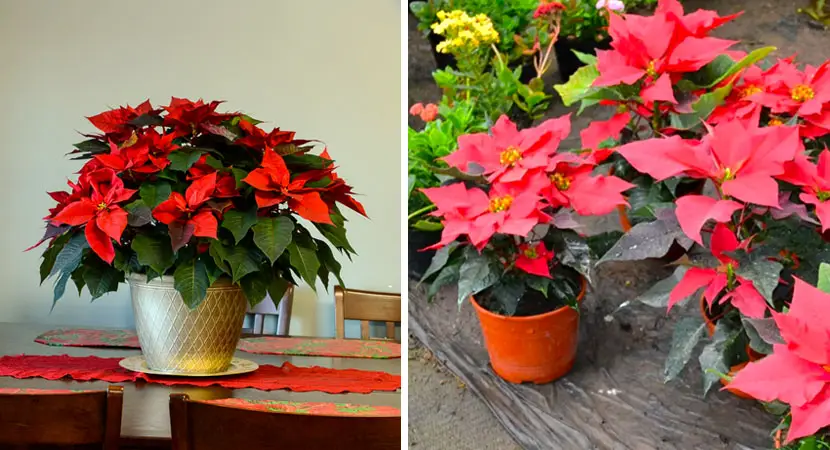
The poinsettia, or Euphorbia pulcherrima, is a vibrant plant that brings festive cheer during the holiday season with its striking red (or sometimes white or pink) bracts. To keep your poinsettia healthy and potentially enjoy it year-round, follow these care tips:

1. Choose the Right Substrate
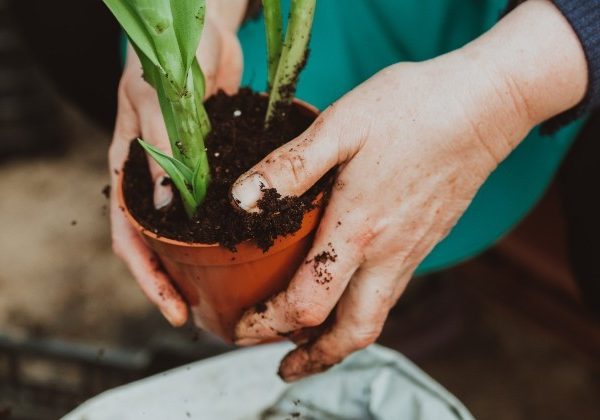
- Light and Well-Drained: Use a light substrate that allows for good drainage. A mix of pine bark, peat, and sand is ideal. If pine bark is unavailable, you can substitute with topsoil.
- Garden Transplant: If you decide to plant your poinsettia in the garden, dig a 30 cm hole, loosen the surrounding soil, and fill the bottom with some of the substrate mix before planting the poinsettia. Cover the roots with the substrate mix and ensure proper drainage.

2. Maintain Proper Temperature and Light
- Temperature: Poinsettias prefer temperatures between 15°C and 20°C. They are sensitive to cold; temperatures below 10°C can cause leaf drop and damage the plant.
- Light: Position your poinsettia in a location with medium to high indirect light. Morning sunlight with afternoon shade is ideal. Avoid placing it near drafts or in direct sunlight that could scorch the leaves.

3. Watering Needs
- Frequency: Water your poinsettia when the top layer of soil is dry. In the summer, this typically means watering twice a week. Avoid overwatering, as the roots do not tolerate excess moisture.
- Check Soil Moisture: Use the stick test—insert a stick into the soil; if it comes out dry, it’s time to water. Yellowing leaves may indicate overwatering. Ensure the pot has good drainage to prevent waterlogging.
4. Propagation by Cuttings

- Timing: Autumn is the best time for taking cuttings. Use a healthy stem about 8 cm long.
- Preparation: Dip the cut end in warm water to reduce latex loss, then apply rooting hormone to encourage root growth. Plant the cutting in a pot with a light, well-draining substrate and keep it moist.
- Rooting: The cutting should start to root in about 15 days. Keep it in a warm, bright spot away from direct sunlight until established.
5. Pest Management
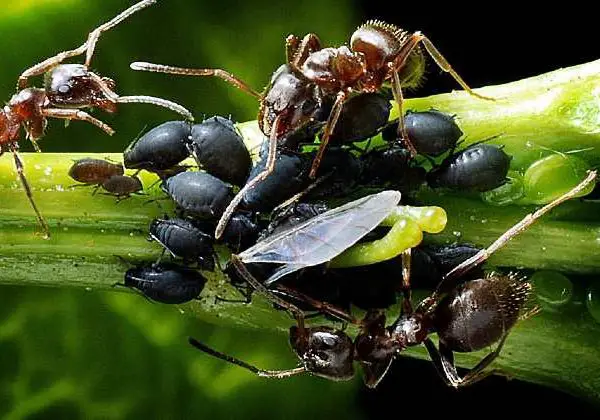
- Common Pests: Watch out for mealybugs, aphids, and whiteflies. Regular monitoring and prompt action are key.
- Prevention: In spring, consider using biopreparations to prevent pest infestations. Use yellow sticky traps for whiteflies, and introduce ladybugs to control aphid populations.
- Fungal Issues: To combat fungi, particularly in high humidity, use a horsetail decoction on the soil.
6. Interesting Facts
- Cultural Significance: In Mexico, the poinsettia is known as cuetlaxochitl and was used in offerings to Tonantzin, the goddess of the earth. The plant was also used to make natural dyes for clothing.
- Symbolism: The poinsettia is often associated with the holiday season but has historical significance and uses beyond its decorative role.
With these care guidelines, your poinsettia can thrive and possibly even last well beyond the holiday season, bringing continued beauty and a touch of history into your home.
Show Comments