Reviving a Fading Orchid: Our 4 Essential Tips
Keeping flowers thriving indoors can be a delightful challenge. While they bring vibrancy and fragrance to our spaces, their care demands attention to detail. Orchids, in particular, require specific conditions to flourish. Without proper care, they can wither or dry up. If you’re grappling with a fading orchid, fret not! In this article, we’ll guide you through the process of rescuing your precious blooms and giving them a new lease on life.
Understanding Orchid Woes: Common Causes
Before delving into the solutions, let’s grasp why orchids may be struggling. Gardening expert Melissa Strauss sheds light on the key factors contributing to orchid distress.
Cause 1: Excessive Watering
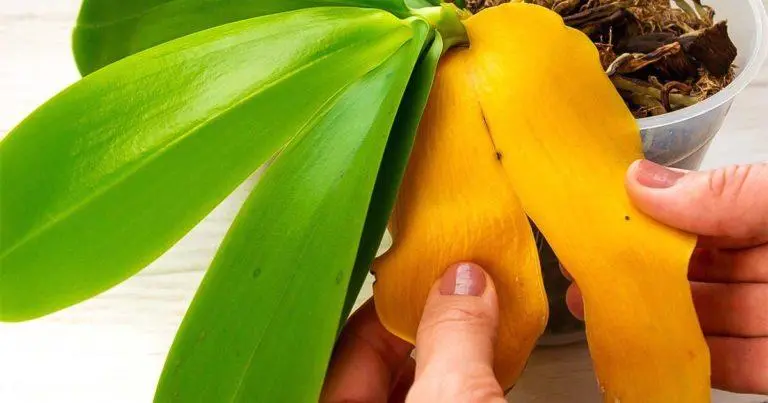
Overwatering tops the list of orchid woes. Flooded roots lead to suffocation, as orchids require ample air circulation. Opt for well-draining potting soil to prevent water stagnation and root rot. Yellowing and falling leaves are telltale signs of root decay.
Cause 2: Inadequate Watering
Conversely, underwatering can spell doom for orchids. These plants dislike excess, but dehydration manifests in wilted, wrinkled leaves. Check the roots—if they’re dry and brittle, your orchid is parched, and its blooms may suffer.
Cause 3: Low Humidity
Orchids thrive in tropical environments with high humidity levels. A deficiency in moisture can mimic symptoms of underwatering, affecting the plant’s vitality.
Cause 4: Excessive Sun Exposure
While orchids crave bright light, direct sunlight can scorch their delicate foliage, leading to irreparable damage.
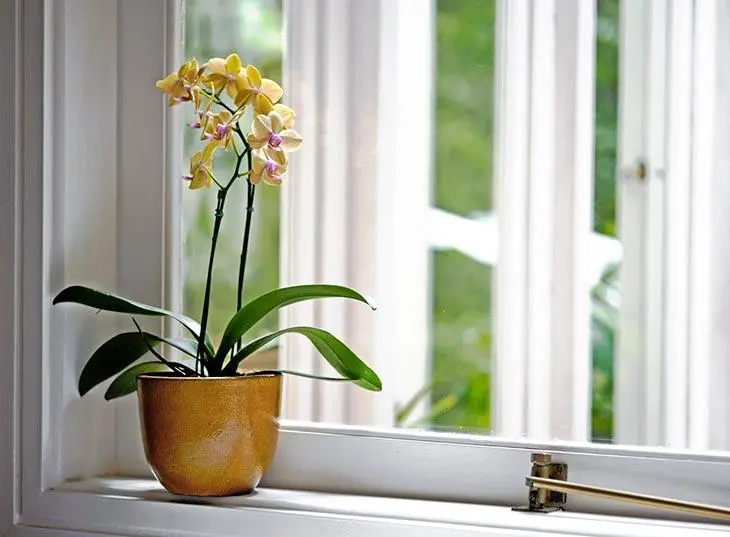
Diagnosing Orchid Health: Signs of Life or Demise
Before proceeding with intervention, assess your orchid’s condition based on three critical factors: leaves, crown, and roots.
Leaves
Healthy orchid leaves are sturdy and slightly pale green. Yellow or brown spots signal potential viral infections, posing a threat to the plant’s survival.
Crown
A firm, unblemished crown indicates robust health. Softening or darkening of the crown suggests impending demise.
Roots
Vibrant green or white roots signify vitality, while brown or black roots indicate trouble.
Strategies for Orchid Rescue
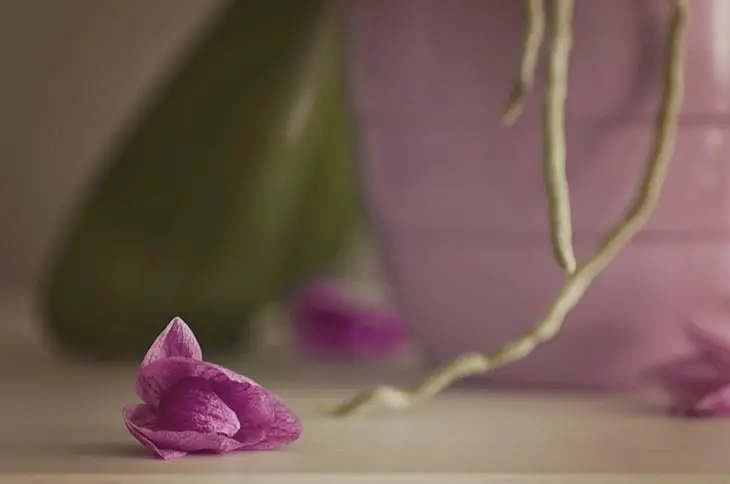
Now, let’s explore actionable steps to rejuvenate your wilting or desiccated orchid, restoring it to its former glory.
- Salvaging Rotted Roots If your orchid’s roots have succumbed to rot due to overwatering, salvage efforts are crucial.
Procedure:
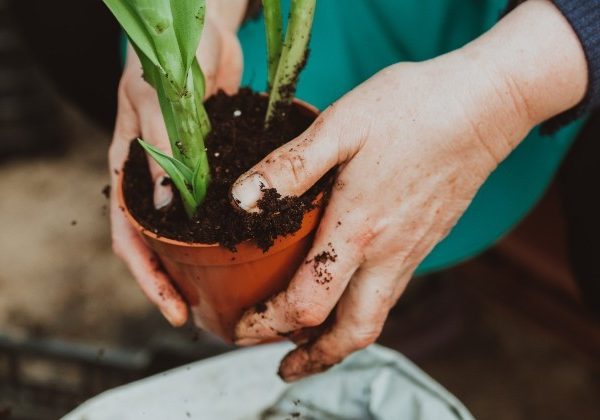
- Carefully remove the orchid from its pot, clearing away soil residue.
- Assess the roots—if some remain healthy, there’s hope for revival.
- Trim away rotted roots using sanitized pruning shears.
- Dust the remaining roots and cuts with a fungicide.
- Allow the roots to air dry before repotting in well-draining soil.
- Rehydrating a Parched Orchid For dehydrated orchids suffering from inadequate watering, swift action is key.
Procedure:
- Submerge the orchid’s pot in room temperature water for 20-30 minutes, ensuring only the roots are immersed.
- Once soaked, remove the pot and let excess water drain.
- Repeat watering when the soil dries completely, maintaining a weekly watering schedule thereafter.
- Elevating Humidity Levels Combatting low humidity levels can be achieved through simple yet effective methods.
Procedure:
- Place the orchid pot on a tray filled with water and topped with stones or gravel.
- The elevated pot ensures adequate humidity without root saturation.
- Alternatively, position the orchid in naturally humid environments, such as bathrooms.
- Mitigating Sun Damage If excessive sunlight has afflicted your orchid, swift action can prevent further harm.
Procedure:
- Trim any sun-damaged leaves using sanitized scissors, cutting as close to the base as possible.
- Apply fungicide to the cut surfaces to prevent fungal infection.
Orchid Care Essentials: Sustaining Health and Bloom
To ensure ongoing vitality and flowering, adhere to these basic care practices:
- Water orchids weekly, allowing soil to dry between waterings.
- Position them in bright, indirect light, avoiding direct sun exposure.
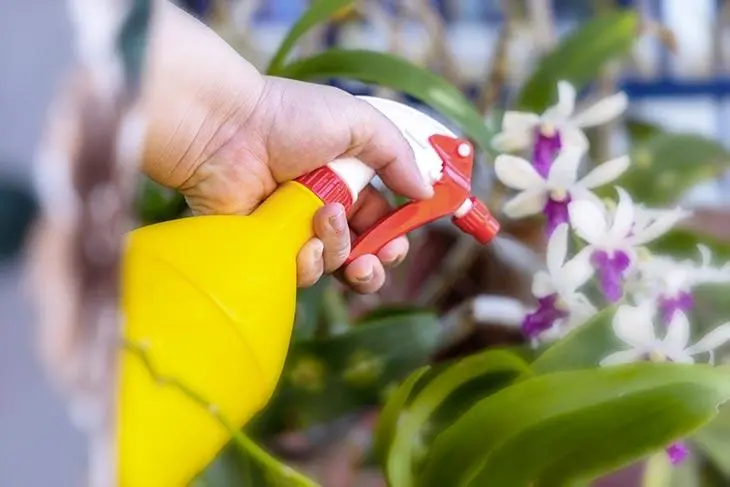
- Mist foliage every 2-3 days to maintain humidity levels.
- Fertilize with specialized orchid fertilizer during active growth seasons.
With these guidelines, you’ll not only rescue your struggling orchid but also foster its long-term flourishing.