Dear gardeners, are you eager to enhance your vegetable garden? Hold tight, because we have crucial information to help you achieve a prosperous and abundant harvest! Here’s valuable advice from Laurent Courtade, a gardener in Ariège: in addition to proper plant care, don’t overlook the addition of an organic fertilizer this time of year! Let’s dive into the details!
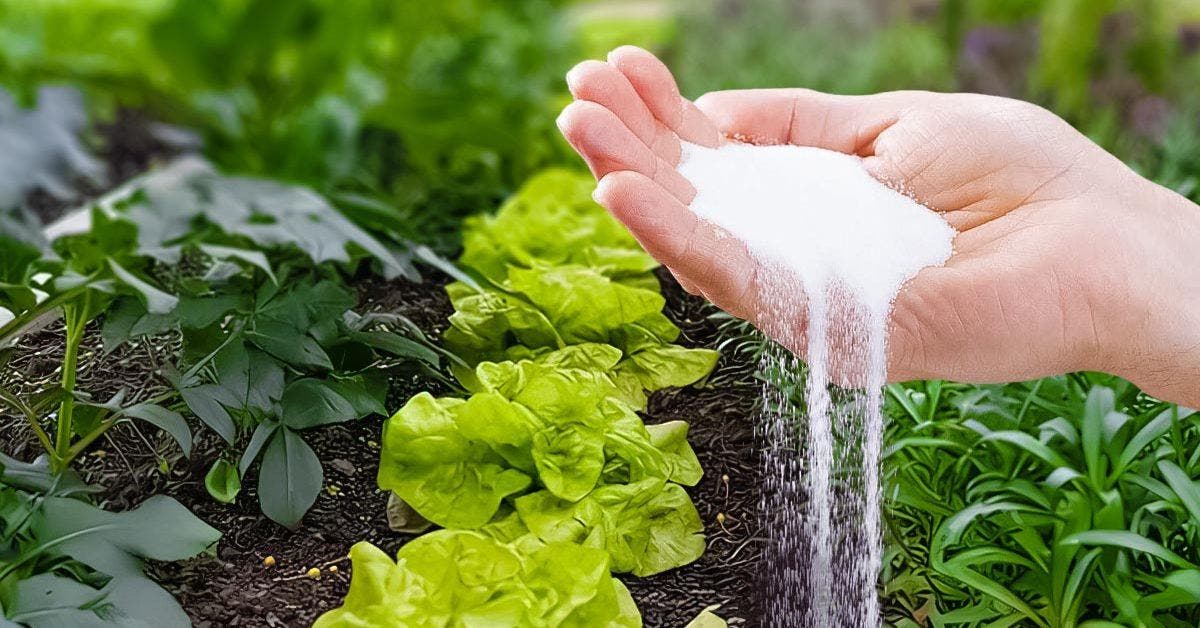
Our Advice for Maintaining Your Vegetable Garden in February and March
Taking Care of Your Vegetable Garden
February and early March can be unpredictable for gardeners:
- Mild Days: The weather encourages us to uncover vegetable plants that have been protected under winter covers. However, remember to cover them again at night to shield them from frost.
- Mulching: If you want to protect young plants, apply mulch to the soil’s surface, but avoid applying too thick a layer, as it can retain cold and damage roots.
- Soil Quality: Continue to improve your soil with manure, compost, or green fertilizers. This practice adds nutrients and enhances soil texture, often compacted by winter conditions.

Now, let’s focus on feeding your plants using a special type of fertilizer: urea. This organic compound has garnered attention from both gardeners and farmers!
How to Use Urea on Plants
Urea is a true ally for all soil types, but it’s essential to know when and how to apply it for maximum benefit.
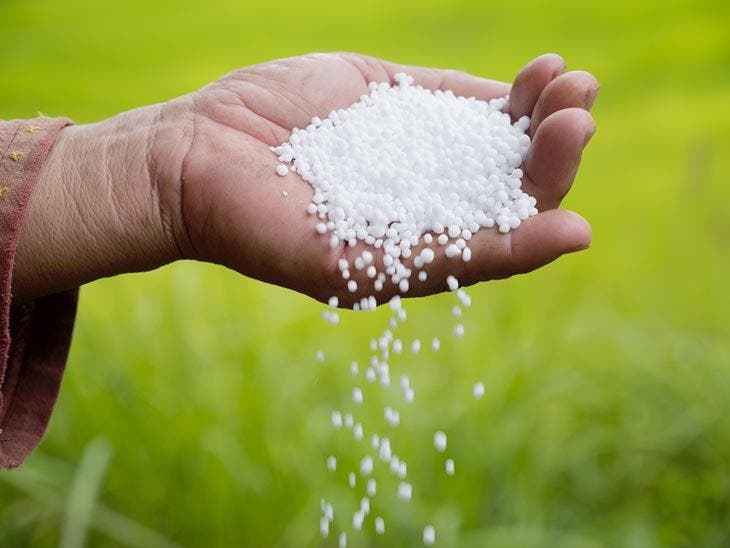
Urea: Characteristics and Composition
Urea is an organic fertilizer that enriches soil and plants by supplying nitrogen. Here’s what you need to know:
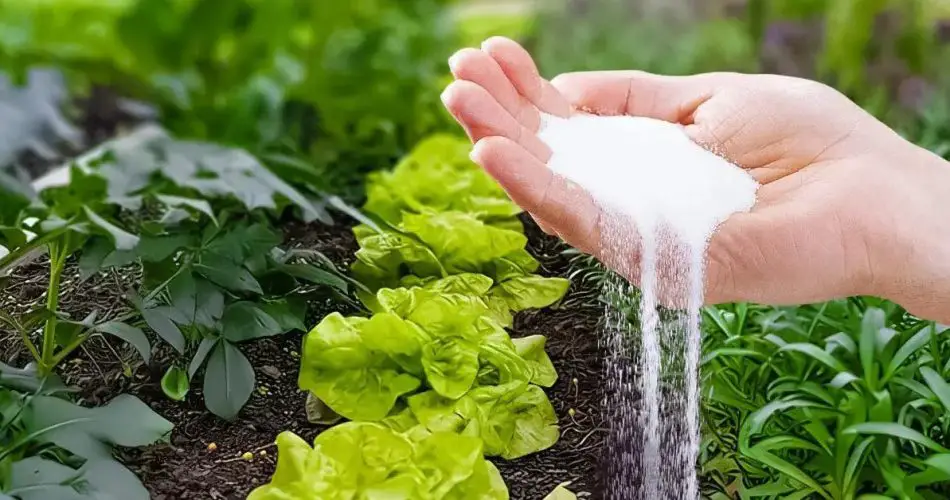
- Appearance: Urea comes as odorless white or yellow crystals.
- Nitrogen Content: It has a high nitrogen concentration of up to 46%.
- Solubility: Urea dissolves easily, with low risk of leaching.
- Effectiveness: Its slow degradation and high mobility make it a potent fertilizer.
- Comparative Value: 1 kg of urea is equivalent to 3 kg of sodium nitrate or 2.25 kg of ammonium sulfate.
- Soil Compatibility: It is less acidifying than ammonium sulfate, making it suitable for sandy and loamy soils.
When to Use Urea as Fertilizer
While you can add urea to your vegetable garden in the fall, its effectiveness may be compromised. The nitrogen released decomposes quickly, and some may wash away during winter. Instead, many gardeners apply urea in early spring. For effective use, apply it 7 to 10 days before sowing, burying it 6 to 8 centimeters deep. This method works well even in greenhouses.
For optimal results, apply urea to slightly acidic peaty soils with adequate moisture. Carefully incorporate it into neutral and alkaline soils to prevent nitrogen loss.
Application Methods for Urea
When using nitrogen fertilizers like urea, consider the following fertilization stages:
| Fertilization Stage | Method | Details |
|---|---|---|
| Before sowing | Introduction of urea granules | Incorporate into furrows during spring plowing (4 cm deep). |
| During sowing | Combined urea and potassium fertilizers | Keep a layer of soil between seeds and fertilizer for growth. |
| During growth | Foliar feeding | Dissolve in water and spray leaves early morning or late evening. |
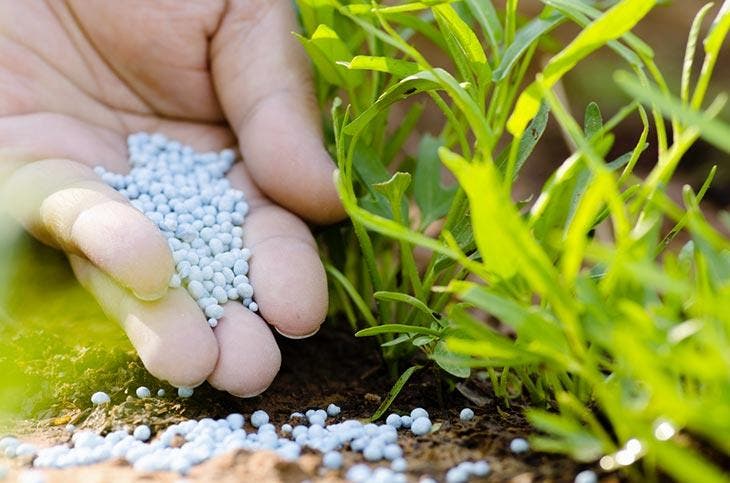
Instructions for Using Urea in Your Garden
To determine the right amount of urea to apply, consider your soil structure, moisture, feeding method, and crop condition. Here are some recommended doses:
- For vegetable crops, use 3 to 4 grams per planting hole.
- For tomatoes, potatoes, cabbage, etc., dilute 25 to 30 grams in 10 liters of water (1 liter per plant).
- For currants, use 20 grams per 10 liters of water until buds swell; for gooseberries, 2 tablespoons is sufficient.
- For flowering plants like roses and iris, apply 5 to 10 grams per square meter.
- For fruit trees, scatter around the trunk and embed in the soil. Young apple trees need about 140-150 grams, while plums and cherries need 60-70 grams.
- For fruit and berry crops, fertilize 5-7 days after flowering, then again in 3-4 weeks (1 tablespoon per bucket of water).
- For foliar dressing, dissolve 1 tablespoon in 10 liters of water.
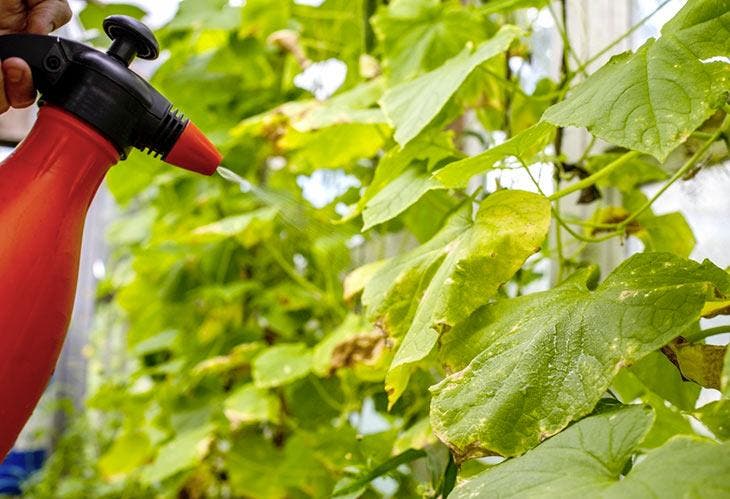
Diluting Urea for Liquid Application
To manage pests and fungi, spray a urea-based solution in early spring before bud break: 800 grams per 10 liters of water.
As you can see, using urea is essential for nurturing both outdoor and indoor plants. It promotes faster growth, richer foliage, and more abundant yields. Happy gardening!