Watering houseplants correctly in winter is crucial for their survival and health. Here’s how to do it right:

- Adjust watering frequency: Most houseplants require less water in winter due to slower growth and some entering dormancy. Reduce watering frequency to every 15 days to prevent water accumulation and root rot. Check the soil moisture by inserting your finger into the soil; if it’s wet, hold off on watering.
- Consider plant variety: Succulents and plants that flower in winter have different water needs. Succulents can go without water for 2 to 3 weeks due to their ability to store water in their tissues. Flowering plants may need water when the soil is dry.
- Use room temperature water: Avoid watering with cold or hot water to prevent thermal shock to the plant’s roots. Opt for room temperature water, preferably spring water without limescale.
- Monitor humidity levels: Indoor heating can dry out the air, affecting plant health. Maintain humidity levels close to 50% by misting the foliage, using a humidifier, or placing plants in rooms with higher humidity like kitchens or bathrooms.
- Avoid waterlogging: Instead of soaking roots in water, place pots on wedges over cups filled with moist clay balls to allow plants to absorb moisture without waterlogging.
Additional tips for caring for indoor plants in winter:
- Dust leaves: Wipe the foliage with a damp cloth to remove dust, allowing better nutrient absorption and photosynthesis.
- Protect from drafts and heat: Keep plants away from drafts and radiators to avoid temperature fluctuations and foliage burning. Use thick curtains to shield plants from cold drafts near windows.
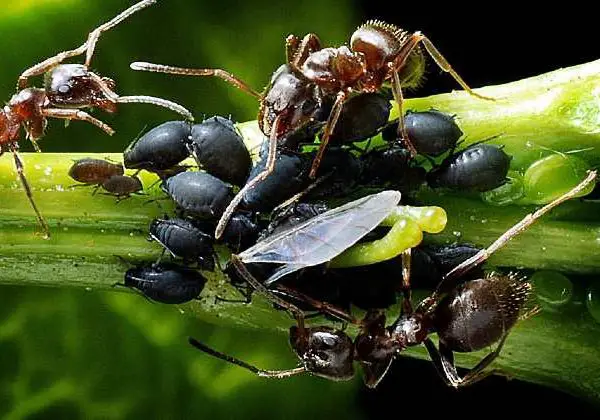
- Watch for pests: Dry air and lack of sunlight can attract pests like mealybugs and aphids. Monitor plants regularly and treat infestations promptly.
- Provide adequate light: Since days are shorter in winter, move plants closer to windows or use a conservatory for more sunlight exposure. Clean windows to maximize sunlight penetration.
- Avoid fertilizing: Plant growth slows in winter, so refrain from fertilizing to avoid disrupting their natural cycle. Resume fertilization during the growing season.
By following these tips, you can ensure your indoor plants thrive during the winter months, setting the stage for vibrant growth and flowering come spring.
Show Comments