Orchids are breathtakingly beautiful flowers, renowned for their delicate appearance and demanding nature when it comes to care. Despite their reputation, it is entirely possible to grow them successfully, even for novice gardeners. This article will guide you through the basics of orchid care, helping to demystify the practices needed for these stunning yet sometimes intimidating plants.
The Basics of Orchid Care
Light and Temperature
- Orchids thrive in a bright environment, but direct sunlight can burn their delicate leaves. An east or west facing window is ideal, as it provides the soft light they need. The ideal temperature varies by species, but a slight contrast between day and night temperatures encourages flowering.
Watering and Humidity
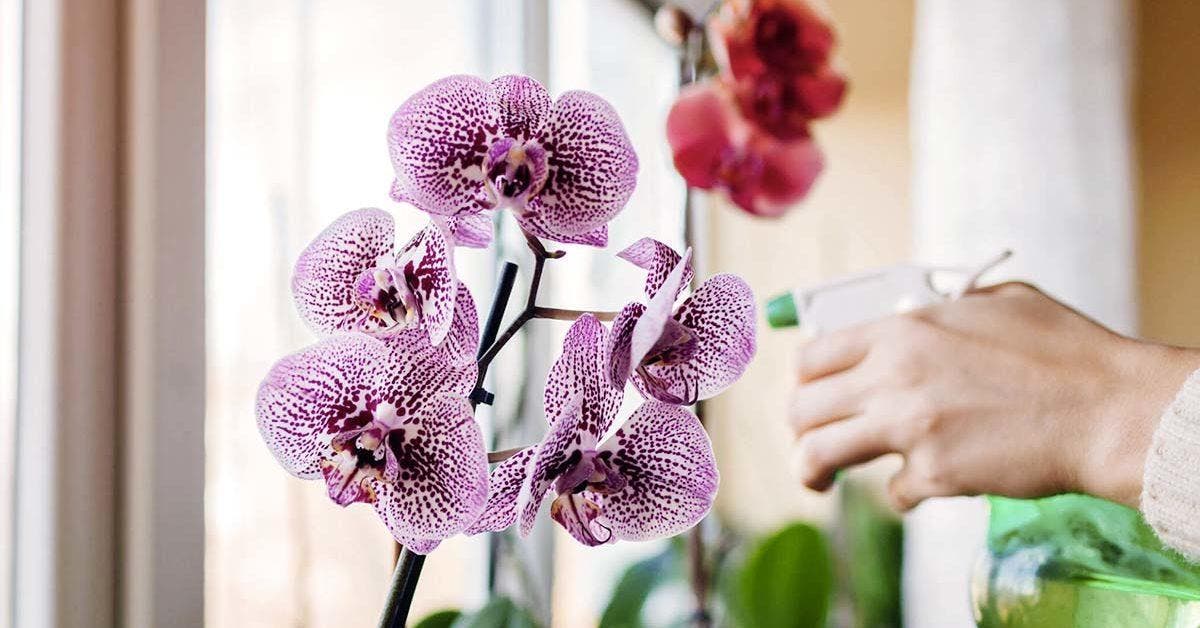
- Watering should be moderate, allowing the substrate to dry out between waterings to prevent root rot. An ambient humidity of around 60-70% is favorable, simulating their natural humid environment. Using a humidifier or placing the pot on a tray of damp pebbles can help maintain this humidity.
Substrate and Repotting
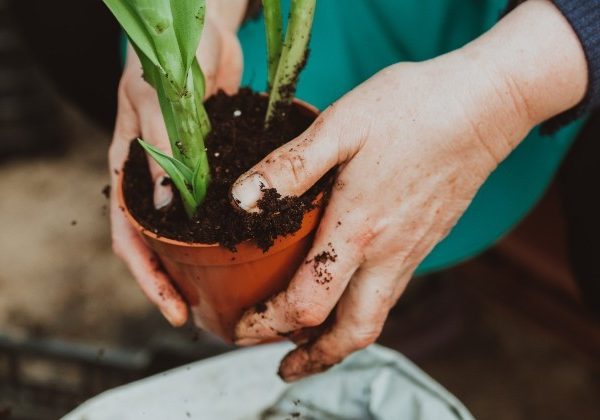
- Choosing an airy and well-draining substrate is crucial, as orchids do not like their roots to be constantly wet. Repotting every 2 to 3 years with fresh substrate helps prevent diseases and supports plant growth.
Nutrition
- Orchids benefit from balanced fertilization tailored to their needs. Using a fertilizer specially formulated for orchids, applied in low doses, promotes healthy growth without overloading the plant with nutrients.
Advanced Tips for Growing Orchids
Watering Orchids with Green Tea
- Watering orchids with green tea is an innovative, though unconventional, practice. This method can provide a slight beneficial acidity to some orchids and additional nutrients. However, it should be practiced sparingly: 2 teaspoons of diluted green tea per day, avoiding watering on weekends, may be sufficient. This tip complements basic care but does not replace it.
Observations and Adjustments
- Close attention to the plant is essential. Yellowing leaves, soft roots, or a lack of flowering can indicate a problem. Readjusting care based on these signals is crucial to restoring the orchid’s health.
This article, enriched with practical tips and advanced techniques, offers a comprehensive approach to orchid care. By following these guidelines, gardeners of all skill levels can successfully grow and enjoy the splendor of orchids, transforming their living space with the beauty of these fascinating plants.