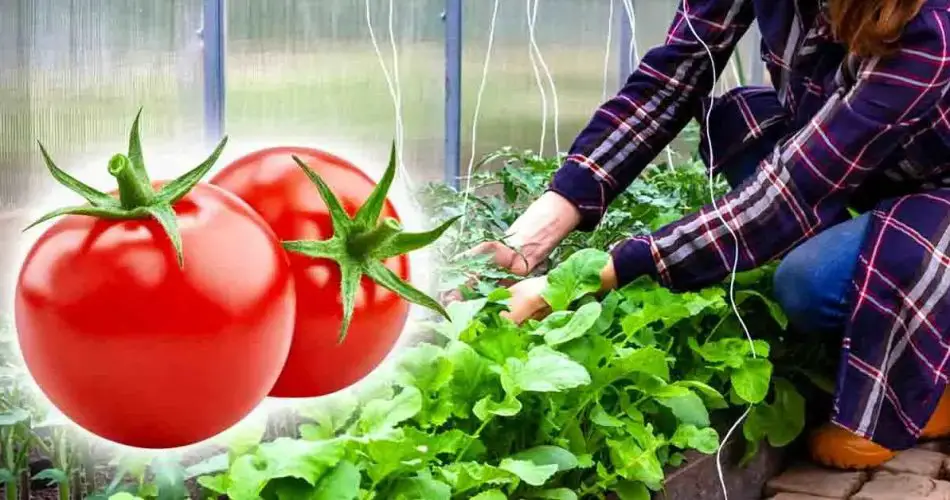
To achieve a bountiful vegetable garden and maximize your tomato yield, using companion planting is essential. This gardening technique involves growing certain plants together to enhance their growth, protect them from diseases, and even deter pests. However, poor companion planting can have the opposite effect and harm your plants. To ensure your tomatoes thrive, it’s important to know which plants to avoid planting near them. Let’s dive into which plants can negatively impact your tomato harvest.

What Should You Not Plant Next to Tomatoes?

Tomatoes are annual vegetable plants with evergreen foliage that are typically planted in the spring. To successfully grow tomatoes, it’s crucial to understand which plants should be kept at a distance.
The Solanaceae family, to which tomatoes belong, includes other plants that should not be planted near them. This includes potatoes, eggplant, peppers, and zucchini. These plants are highly susceptible to mildew, a fungal disease that can easily spread to tomatoes. Melon is another plant to avoid, as it is prone to powdery mildew, which can infect tomato plants and affect their health.
What Plants Are Recommended to Grow Next to Tomatoes?

On the flip side, there are several companion plants that can benefit your tomatoes. Chives, basil, and sage are excellent choices. These aromatic plants help protect tomatoes from mildew and other diseases. Additionally, basil and parsley are effective at keeping away whiteflies, a common pest that affects tomatoes.
Garlic, onions, lettuce, and spinach are also good companions for tomatoes. These low-growing plants won’t overshadow the tomatoes, and they don’t compete for the same nutrients, allowing your tomatoes to grow freely.
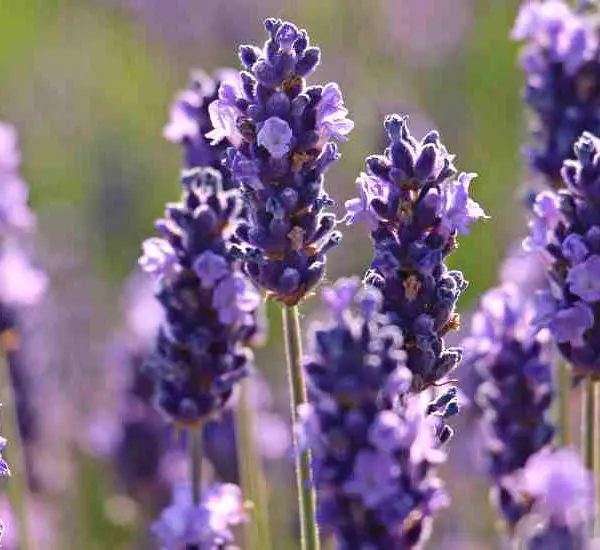
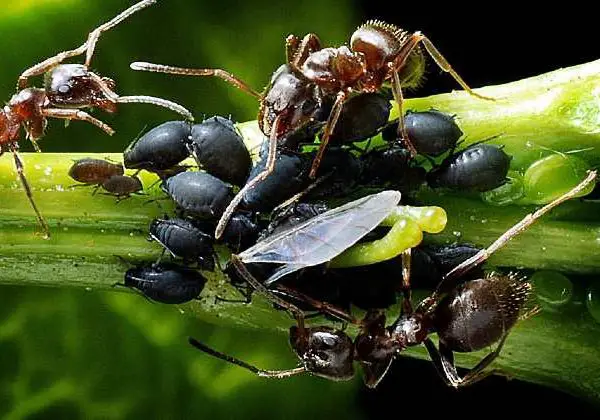
Some flowers can be highly beneficial for tomatoes too. Carnations, marigolds, and Indian rose are especially helpful. Their strong fragrance repels aphids, flea beetles, and nematodes, which can damage the roots of your tomato plants.
How to Care for Tomato Plants?
Tomato Plant Care
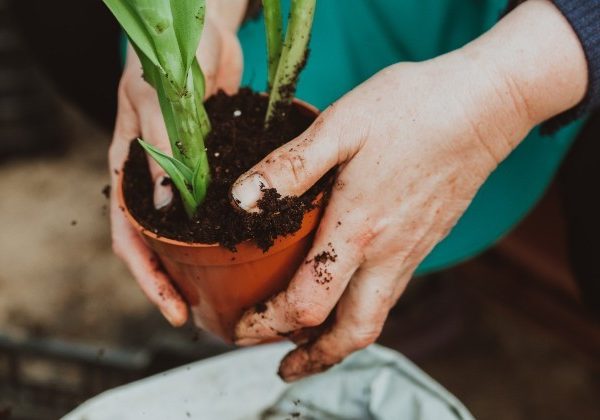
To grow well, tomatoes need plenty of sun and nutrient-rich soil. Be sure to fertilize the soil and add a good fertilizer before planting tomatoes. Regular watering is important, but be careful not to overwater, as excess moisture can create a perfect environment for fungal diseases. When watering, avoid wetting the foliage to minimize the risk of fungal infections.
Since tomatoes prefer cool soil, it’s a good idea to apply a layer of mulch around the base of the plant, especially during the summer months. This helps keep the roots cool and reduces the need for frequent watering. Mulch can be made from dead leaves, compost, or garden herbs, which also enrich the soil with much-needed nitrogen.
Conclusion:
Knowing which plants to grow next to tomatoes and which to avoid is crucial for ensuring their healthy growth and a successful harvest. By choosing the right companion plants and providing proper care, you can maximize the potential of your tomato plants and keep them free from pests and diseases. With the right approach to companion planting, your tomatoes will thrive and reward you with a plentiful harvest.