To achieve a successful vegetable garden, it’s essential to know what vegetables to plant based on the season. The climate plays a key role in plant growth, as some vegetables thrive in hot and dry environments, while others are more suited to cold and humid conditions. If you’re wondering what you can plant in your vegetable garden in February, read on for some great options.

What Can You Plant in the Vegetable Garden in February?
February is a great time to plant carrots, tomatoes, and bulbs from the alliaceae family, which includes garlic, onion, and shallots.
1. Sow Carrots at the End of February

Carrots can be sown between February and March, but it’s best to plant the seeds toward the end of February. Start by sowing them under cover—inside your house, in a greenhouse, or in a heated mini-greenhouse—to protect the seedlings from the cold and pests like slugs. Once they’re strong enough, you can move them into the ground between April and May.
To achieve a good harvest, plant the carrots in drained, light soil, free from stones or pebbles, as heavy and clayey soils can hinder growth. Applying some mulch at the base of the plants helps to prevent weeds and retain moisture. Make sure to thin out the plants as soon as the first leaves appear to leave only the strong, healthy shoots.
2. Planting Onions in February

You can plant onions from bulbs starting in February, especially in mild regions. Onions prefer sunlight and well-drained soil. Plant the seeds in rows and cover them with about 1 cm of soil. As the onions grow, thin them out to ensure they have enough space to thrive.
Onions can be susceptible to the onion fly, which attacks the leaves of young plants. To protect your onions, consider practicing companion planting—alternate rows of onions with carrots to naturally repel pests.
3. Sowing Tomatoes in February

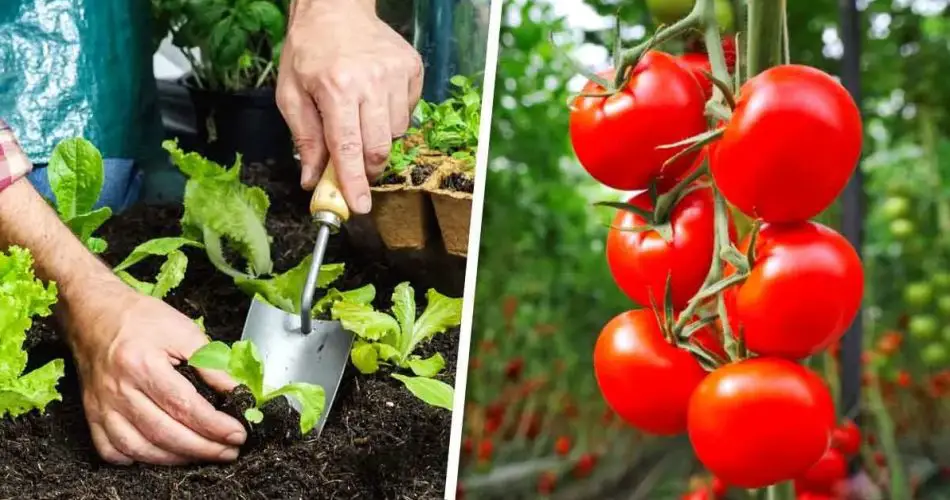
Start sowing tomato seeds under cover in February or March to transplant the young shoots into the ground by May. Tomatoes need to be planted in a sunny spot that is sheltered from the wind. Space them about 80 cm apart and remember to use a tomato stake or other support to help the plants grow upright.
Before planting, fertilize the soil with an organic tomato fertilizer, which will boost your harvest. Water your tomato plants regularly but avoid wetting the foliage to prevent fungal diseases. Also, remove any shoots that appear at the junction between the leaves and the stem, as they drain energy from the plant and inhibit healthy growth.
4. Planting Pink Garlic in February

There are different types of garlic: purple garlic (which isn’t frost-tolerant), white garlic (ideal for mild climates), and pink garlic (which is very cold-hardy and perfect for planting in February). When planting garlic, choose well-drained soil and avoid damp or clayey soil that can lead to rot.
To plant, separate the cloves from the garlic head, and plant them with the pointed side facing upwards, spacing them about 15 cm apart. Aerate the soil regularly to avoid water stagnation, which could rot your plants. Garlic thrives in cool, well-drained soil, so make sure to care for it properly.
5. Planting Shallots in February

Shallots can be planted from January to April, as long as the soil isn’t too wet. Turn the soil over to aerate it, and add some sand to lighten it up. Plant the bulbs in rows, spacing them about 20 cm apart. Within a month, the leaves will start to appear, and each shallot bulb will develop a cluster of smaller bulbs. Like onions, shallots are susceptible to the onion fly, so keep them protected.
In addition to these vegetables, you can also grow peppers, chili peppers, lettuce, and artichokes in your vegetable garden in February. By selecting the right plants and caring for them properly, you’ll enjoy a healthy and abundant harvest.