Want to enjoy a huge harvest of vegetables this summer? By following a simple gardening step at the beginning of June, you can boost your vegetable yield without the need for chemical products. This natural method will help your plants grow strong and healthy, setting you up for a season of abundance. Here’s how to get started.

The Secret to a Lush Summer Harvest: Enriching the Soil
To have a productive garden in the summer, the key is to enrich the soil. One of the easiest and most effective ways to do this is by using hay. This simple material can make a big difference in your soil’s health, setting the stage for a bountiful harvest of vegetables, including tomatoes, peppers, cucumbers, and more.
How Hay Improves Soil Structure

When you place hay in the ground, something amazing happens. Over time, mycelium—a type of fungus—will form within the hay. This mycelium looks similar to a spider web and plays an essential role in soil health. It helps break down the hay and makes the soil looser, allowing for better air circulation and water absorption. This creates an ideal environment for plant roots to thrive.
In addition to mycelium, compost mushrooms will also form. These mushrooms, which grow from the compost, provide even more nutrition for your plants. Together, the mycelium and mushrooms make the soil more fertile and create the perfect conditions for plant growth.
The Benefits of Mycelium and Mushrooms
The mycelium serves an important function in your garden. As it spreads through the soil, it breaks down organic material and releases moisture. Meanwhile, the plants offer sugars to the fungus, helping it grow. This creates a beneficial relationship, where both the plant and the fungus work together to support each other’s growth.
It’s important to let the mycelium spread for a while. The more it grows, the better your soil will become. Ideally, the hay should be allowed to decompose completely before it’s used in your garden.
The Importance of Organic Material for Healthy Plants

Plants cannot grow continuously in the same soil year after year. Organic material needs to be added regularly to improve the soil’s fertility. By enriching your soil with hay and allowing it to decompose, you not only boost plant growth, but you also increase the soil layer over time. This will lead to stronger, larger plants that require less maintenance in the long run.
How to Grow and Use Hay for Your Garden
Growing mycelium with hay is simple and requires very little effort. All you need to do is collect hay and leave it in a shaded spot. The rain will help it get started, but if you live in a dry area, make sure to water it regularly. Over time, the hay will turn darker as the fungi and mycelium form.
Once the hay has darkened, indicating that the fungi have developed, it’s time to spread it throughout your garden. You don’t need to chop it up; simply arrange the hay in chunks around your garden. Water it thoroughly to help the mycelium and mushrooms continue to form quickly.
How to Combine Hay with Your Soil
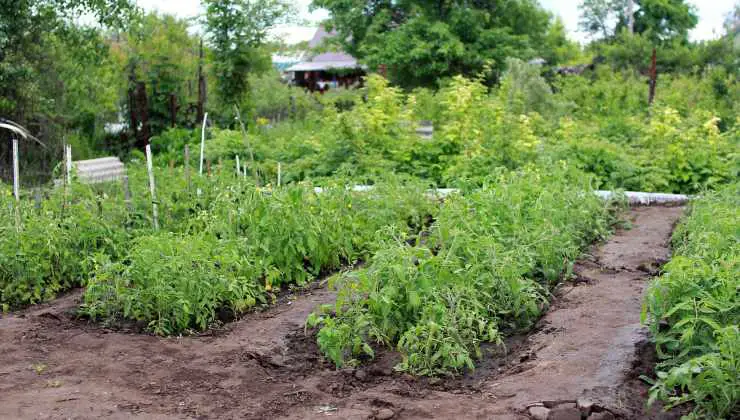
When the hay is ready, spread it evenly across the garden. The key here is not to focus on planting just yet. The first step is to improve the soil by enriching it with the mycelium-rich hay. Make sure the soil is moist, as this helps the fungi and compost develop faster.
While you may not see immediate results, over time the soil will become softer and more fertile. As the mycelium spreads underground, your garden will benefit from increased yields and healthier plants. After a few days, you can cover the hay with humus and begin planting. The beneficial organisms in the soil will help your plants grow stronger and more vibrant.
Conclusion: A Simple Way to Boost Your Summer Harvest
By following this simple method of enriching the soil with hay and mycelium, you’ll be setting the stage for a strong and bountiful garden. It may take a little patience, but in just a few years, you’ll notice the difference. The result? A garden full of vegetables and healthy plants, all without the need for chemicals. Start this process in early June, and get ready to enjoy a fantastic summer harvest!