Plants bring a decorative touch to our interior and give off good vibes. Just as we use them to brighten up our spaces, they need all our attention to keep their shine and liveliness. Here are some mistakes to avoid to keep them healthy!
In such a short time, some green plants wilt without us understanding the reasons. This may be due to a need for light, an unsuitable environment or simply a lack of water. All these factors cause our plants to lose their shine and wither quickly.
What are the mistakes to avoid so that a plant does not wilt?
The wilting of all vegetation results from several factors. This phenomenon is often explained by a lack or excess of watering. It generally results in a loss of rigidity of the stems, yellowing or even loss of foliage. In addition, poor soil, neglected roots or even inadequate exposure to the sun can have consequences on the lifespan of a plant. It is therefore important to pay attention to these small warning signs. Here are the mistakes you should no longer make.
1. Put plants in common soils

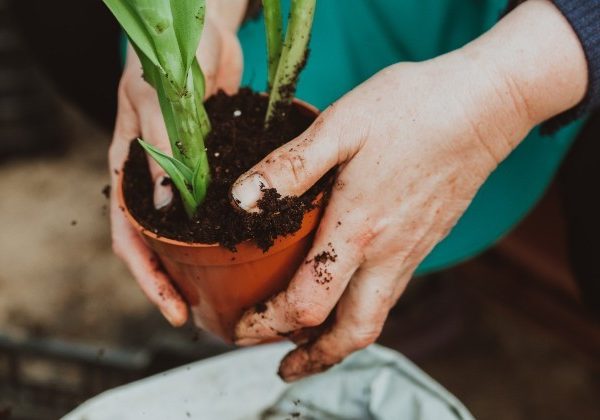
Spring is undoubtedly the best season to enjoy your garden. It’s also a good time to rediscover the good aspects of nature, put your plants in the sun and decorate your terrace. These small movements sometimes require replacing the potting soil. However, this can be fatal because not all plants react in the same way when the nutrients in the soil are not the same. Some manage to adapt while others systematically reject the components of the new soil. It is therefore advisable at the time of purchase to seek advice from nurserymen who will tell you what type of soil is best suited to your plant.
2. Choose a pot for the sole purpose of beautifying your plants

Behind every purchase of potted plants lies a desire to beautify its exterior as well as its interior. The choice of plant pot is therefore an essential decoration criterion. However, you should not neglect the environment of your plants. If their roots don’t find enough room to grow, you risk killing them. Then choose the right size of the pot to allow them to develop. Width and depth are two aspects that should not be neglected, as is insulation. So, when roots are healthy, they allow plants to grow and flourish. Fruit trees like the lemon tree for example will not survive in a patio pot.
3. Neglecting the environment of your plants
Although we enjoy seeing them on our windowsills or in specific locations in the garden, plants will tend to respond differently in each environment. You will probably notice if you like to garden that certain plants need more light. In this case, prefer a bright corner without exposing them too much to the sun. Conversely, other plants tend to grow in dim light and react poorly to very low temperatures. It should be noted that every plant needs an appropriate quantity of water. Indeed, watering plants should not be excessive as this risks causing them to rot. Note that rainwater is preferred for watering plants. Clay balls are used to store water and keep the plant always moist, a good tip to adopt before traveling.
4. Using the wrong products for your plants

To take care of your plants, you also need to choose the right products. There are natural ingredients that will give your plant more shine. The best known remains white vinegar! Effective in maintaining plants, it acts as a good fortifier. White vinegar is very nutritious. It also has positive effects on soil quality, which helps create a healthy environment for your plantings. Mix a little white vinegar in water before spraying it on the leaves of your plant to ensure they have a bright green color.
Caring for plants is a laborious task. Faced with changing temperatures and soil diversity, plants react differently. If the multiple factors causing their deterioration are taken into account, you will undoubtedly obtain a garden with green and flowering plants.