One of the substances with the best properties for disinfecting and cleaning the home is none other than vinegar. For many household tasks, it is indeed the perfect natural and ecological option. This ingredient has many benefits thanks to its antiseptic, antibacterial and antioxidant components. So much so that we happily use it both inside and outside the house.
For gardening enthusiasts, it is an ideal ally: by improving the quality of the soil, vinegar will, in fact, strengthen the plants, promoting their longevity. As a bonus, a few drops will be enough to restore luster and shine to the leaves.
Find out how to use vinegar in your garden to maintain all your plants.
Plants Can Also Get Sick
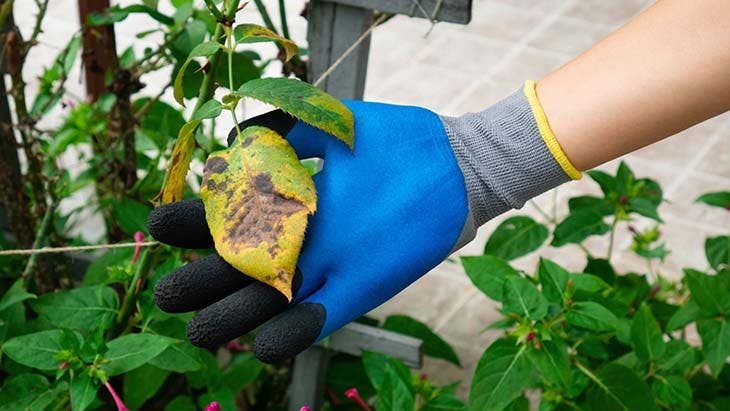
Infectious agents appear regularly and affect the health of shrubs. According to the Food and Agriculture Organization of the United Nations (FAO), the main diseases that damage them are: bacteria, fungi, viruses, nematodes and mycoplasmas. Non-infectious agents are linked to nutritional imbalances, chemical toxicity and environmental stress.
How to use vinegar in your garden?
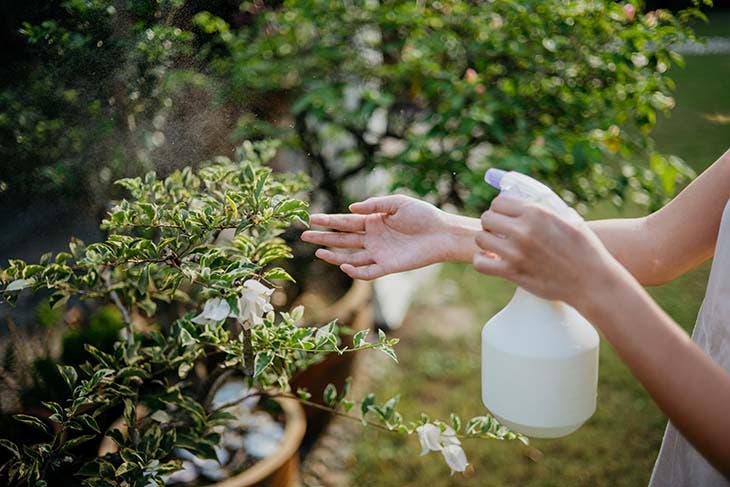
Soil contains nutrients that provide plants with what they need. However, it is essential to regularly take care of your plants. In fact, vinegar is a liquid which will provide a certain number of additional substances to promote the growth of shrubs. In addition, it is a great alternative to chemical products: there is nothing like taking care of your plants with a natural substance!
Here are some tips that will transform your plants:
If you want the soil to contain enough iron for your plants to grow healthily, mix one cup of apple cider vinegar with 4 cups of water. Use this mixture to water your plants.
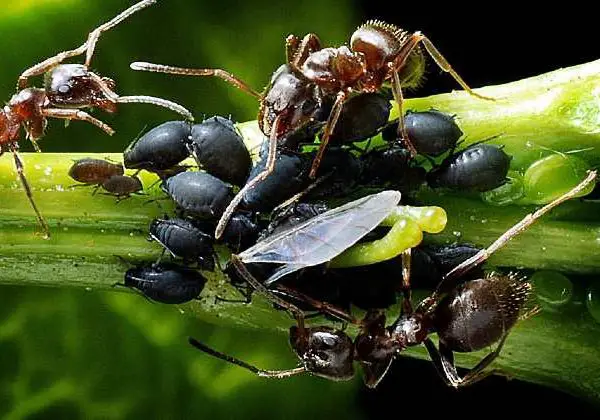
If you want to eliminate an ant infestation, simply surround the anthill with this liquid. This will keep them away permanently.
To nourish plant roots, dilute 1 cup of apple cider vinegar in 3 cups of water. Apply this mixture to the floor.
The leaves also benefit from the antibacterial and antiseptic properties of vinegar. The latter will eliminate fungi and regulate the pH of the surface where each plant grows. Simply mix 2 cups of water with 3 tablespoons of white vinegar. You can apply the substance using a spray or by dampening a cloth and rubbing it on the leaves.
Finally, the acidity of the vinegar absorbs excess limescale from tap water and your plants will not be damaged.
How to use white vinegar as a weed killer?
To make a natural weedkiller with white vinegar, you simply dilute 1 liter of white vinegar in 500 ml of water and spray the mixture directly on the weeds, in your vegetable patch, your garden or even your paths.
The Health Benefits of Vinegar
Obviously, like gardening, vinegar has many other virtues whether at home for cleaning or in the kitchen to give that little taste of acidity in our dishes.
You should also know that this liquid has enormous benefits for the body. Some are even rather unexpected. Did you know, for example, that apple cider vinegar could act as an appetite suppressant? Yes, thanks to its components, notably pectin fiber, you will quickly feel the feeling of satiety. In addition, thanks to its acetic acid content, it improves digestion by preventing possible inflammation: this acid will cleanse the intestine by increasing the production of enzymes, improving absorption and facilitating the digestion of fats. No more stomach gas!
That’s not all. Vinegar also helps reduce cholesterol, fats and triglycerides. By controlling glucose, it will act as a diuretic.