Preparing fruit trees for winter is crucial to ensure they survive harsh weather conditions and thrive in the coming seasons. Here are the main steps you should take to prepare your fruit trees before it’s too late:
1. Pruning:
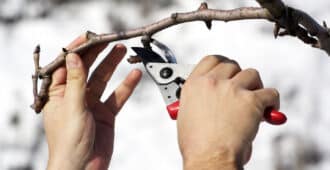
- Remove Dead and Diseased Branches: Trim back dead, damaged, or diseased branches to promote healthy growth and reduce the risk of infection during winter.
- Shape and Size: Prune to maintain a balanced shape and encourage airflow through the canopy, which helps prevent fungal diseases.
2. Clean and Inspect:
- Clear Debris: Remove fallen leaves, fruits, and any debris around the base of the tree to minimize overwintering pests and diseases.
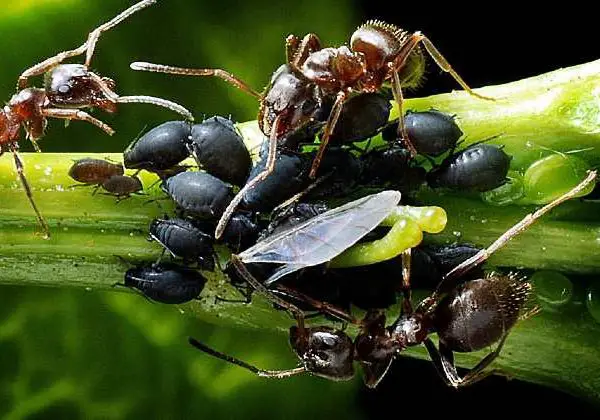
- Inspect for Pests: Check for signs of pests such as scale insects or egg masses on branches and trunks. Treat as necessary with organic methods or horticultural oils.
3. Fertilization:
- Apply Balanced Fertilizer: Before dormancy sets in, apply a balanced fertilizer specifically formulated for fruit trees to provide essential nutrients for root development and overall health.
- Avoid High-Nitrogen: Avoid fertilizers high in nitrogen, which can promote new growth susceptible to frost damage.
4. Mulching:
- Apply Mulch: Spread a layer of organic mulch (e.g., compost, shredded leaves) around the base of the tree to insulate roots and regulate soil temperature.
- Mulch Depth: Apply 2-4 inches of mulch, keeping it away from the trunk to prevent moisture-related diseases.
5. Protecting the Trunk:
- Wrap the Trunk: Use tree guards or wraps to protect young or newly planted trees from sunscald and frost cracks.
- Remove in Spring: Remember to remove wraps in spring to prevent trapping moisture and causing bark damage.
6. Watering:
- Hydrate Before Dormancy: Ensure fruit trees are adequately hydrated before the ground freezes. Water deeply and infrequently to encourage deep root growth.
- Reduce Watering: Reduce watering frequency during winter, but continue to monitor soil moisture levels during dry spells.
7. Pest Management:
- Prune Infected Areas: Remove and dispose of infected branches to prevent pests and diseases from spreading to healthy parts of the tree.
- Use Dormant Oil Sprays: Apply dormant oil sprays to suffocate overwintering pests and their eggs before buds swell in spring.
8. Winterizing Container Trees:
- Move to Sheltered Location: If growing fruit trees in containers, move them to a sheltered spot such as a garage or shed to protect from freezing temperatures.
- Insulate Containers: Wrap containers with bubble wrap or burlap to insulate roots and prevent frost damage.
Benefits of Winter Preparation:
- Healthy Growth: Ensure fruit trees emerge from winter dormancy ready to produce robust blossoms and fruit.
- Disease Prevention: Minimize the risk of fungal infections and pest infestations that can weaken trees.
- Long-Term Sustainability: Promote the longevity and productivity of fruit trees for future harvests.
By following these essential steps to prepare fruit trees for winter, you can safeguard their health and vitality, ensuring a bountiful harvest and thriving orchard in the seasons to come. Start early to protect your investment and enjoy the rewards of well-maintained fruit trees year after year.
Show Comments