To promote the healthy growth of your plants and stimulate their flowering, it is important to respect their growing conditions and provide them with the conditions necessary for them to flourish. Indeed, some plants are particularly sensitive to hard water used for watering. This is particularly the case for orchids which do not tolerate limestone well. Find out what you can add to your orchid watering to neutralize limescale.
The orchid is a perennial plant with evergreen foliage. Appreciated for its colorful flowering, this tropical plant is easy to care for. It is ideal for decorating your interior or brightening up the terrace or balcony. To stimulate its growth and encourage its flowering, here is what you can add to the hard water used to water it.
What can be added to orchid water to promote healthy growth?
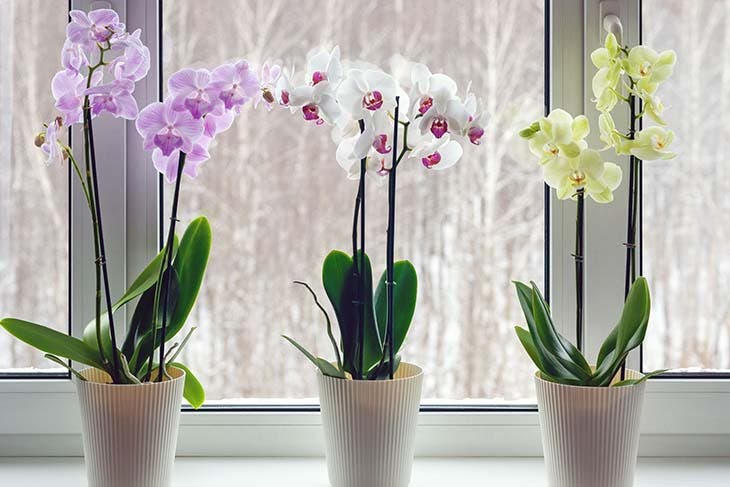
Water quality is very important for your houseplants, especially orchids. If we take the example of the phalaenopsis genus, also called butterfly orchid, this plant is very sensitive. Limestone is not suitable for it. In fact, in addition to being harmful to your orchids, it leaves unsightly whitish deposits on the foliage of your plant. It is for this reason that it is advisable to water orchids with non-calcareous spring water, such as rainwater if possible. However, if you cannot collect rainwater, there is another solution for watering your plants with filtered water, without limescale. The trick is to add around ten drops of lemon juice to the watering water. This tip helps neutralize the limescale present in hard tap water. This will allow your orchids to grow and develop healthily.
To stimulate the flowering of your orchids, you can also add a liquid fertilizer, diluted in the water you water your plants. However, be careful not to fertilize your orchids in excess as this could have the opposite effect. A fertilizer supply every three or four waterings, particularly during their vegetative growth period, is considered sufficient to promote the growth and flowering of your plants.
How to successfully water orchids?
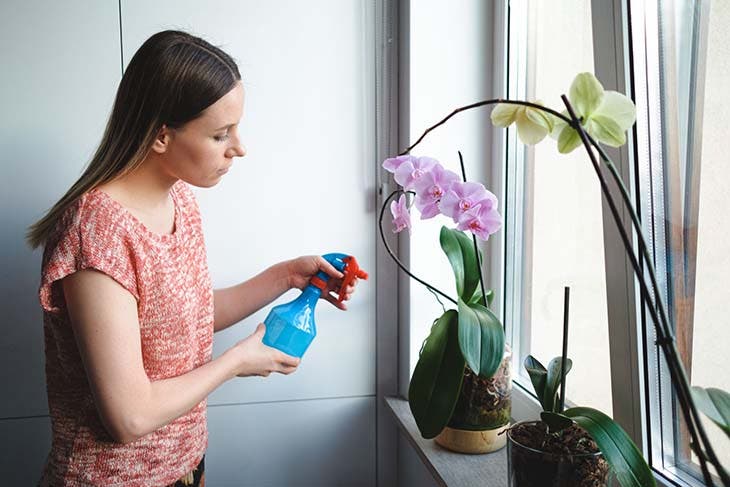
The orchid is a tropical plant that appreciates humidity. However, excess water could suffocate the plant’s roots and cause them to rot. This is why it is recommended to repot your orchid in a transparent pot. If the appearance of your pot bothers you, you can choose a planter for it. A translucent pot will allow you to regularly check the appearance of the roots, to know if your plant needs to be watered or not. Indeed, if the color of its roots turns gray, this means that your plant is dehydrated and needs watering. Before watering your orchid, also check the substrate. If it’s dry, it’s time to water it. Another tip is to weigh the pot. If it is heavy, it means that the substrate is already full of water. Let it dry before watering again.
The best way to water your orchid is by drench. This technique consists of immersing the pot in a basin containing spring water or tap water mixed with a few drops of lemon juice to neutralize limescale. Make sure that only three-quarters of the pot is soaked. Let it sit for 10 minutes, then remove the pot from the basin and let it drain. This way, you will rehydrate your plant without damaging it. In fact, watering the orchid from above or letting the roots bathe in water could encourage them to rot and cause your plant to wilt. Note that it is also important to use room temperature water. When the water is cold or still hot, it could cause thermal shock to your plant, damaging its root system.
Also remember to mist your orchid from time to time. To do this, use non-calcareous water at room temperature and keep your plant away from drafts and heat sources such as the radiator. Indeed, this tropical plant does not tolerate a dry environment. Note that during the flowering period of your orchid, only the foliage should be sprayed, not the flowers.
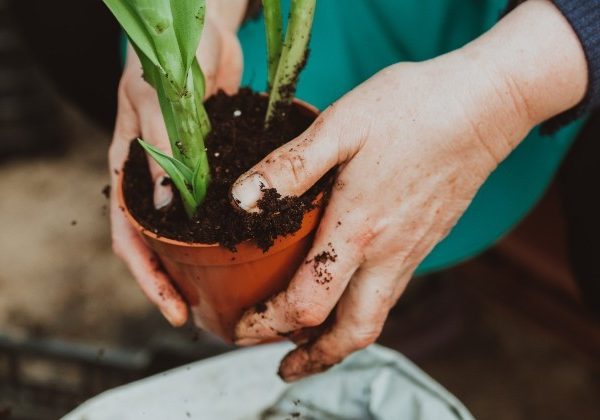
To make your orchid last a long time , you can repot it every two or three years. To do this, choose a special orchid soil. This consists, among other things, of a mixture of coconut fibers, charcoal, bark mulch and clay balls. This substrate helps promote drainage and ensures the aeration and nutrients necessary for your plant.
By simply adding a few drops of lemon juice to the hard water used to water orchids, you will neutralize limescale and promote healthy growth for your plants.
Is white vinegar harmful to plants?
Although it can rid your garden and plants of weeds, white vinegar is not selective; the acetic acid it contains can be fatal to many plants. This is because when it is introduced into the soil, it significantly reduces the pH level and hinders plant growth.