Crop rotation is a crucial aspect of gardening and agriculture, particularly in maintaining soil fertility and preventing pest and disease buildup. One common practice in crop rotation is avoiding planting certain crops in the same place year after year. For example, it’s advisable not to grow tomatoes and onions in the same location consecutively. Here’s why:
Nutrient Depletion:
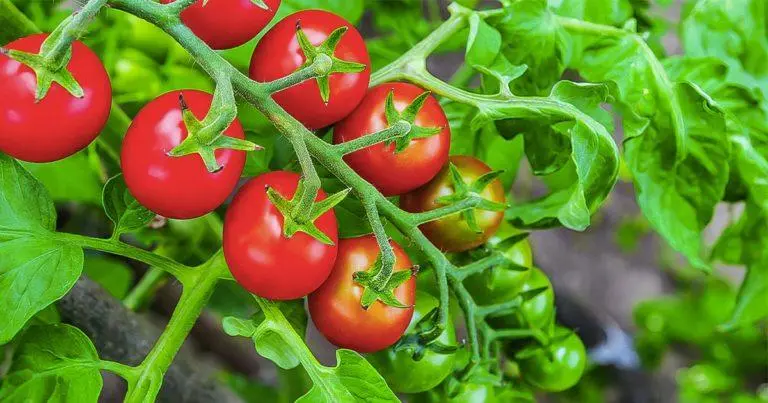
Different plants have varying nutrient requirements. Tomatoes, for instance, are heavy feeders that require ample amounts of nitrogen, phosphorus, and potassium to thrive. Onions, on the other hand, have different nutrient needs. Planting tomatoes and onions in the same spot for consecutive years can deplete the soil of specific nutrients, leading to poor plant growth and yield.
Pest and Disease Buildup:

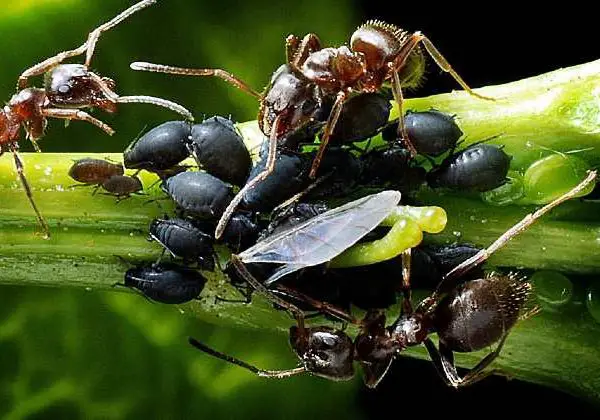
Continuous cultivation of the same crop in one area can attract pests and pathogens that target that particular plant. For example, growing tomatoes in the same spot year after year can create an ideal environment for soil-borne diseases and pests that affect tomatoes. By rotating crops, you disrupt the life cycles of these pests and reduce the risk of infestation and disease outbreaks.
Competition for Resources:
Tomatoes and onions compete for essential resources such as water, sunlight, and soil nutrients. Planting them together can lead to competition for these resources, resulting in stunted growth and reduced yields for both crops.
Allelopathy:
Some plants release chemicals into the soil that can inhibit the growth of neighboring plants. For example, certain compounds released by onions can inhibit the growth of tomatoes and vice versa. Planting them in close proximity can interfere with each other’s growth and development.
Soil Health:
Crop rotation helps maintain soil health and fertility by promoting a diverse microbial population and preventing soil degradation. Growing a variety of crops in rotation helps improve soil structure, fertility, and resilience to environmental stressors.
To maximize the benefits of crop rotation and avoid problems associated with planting tomatoes and onions in the same place, consider rotating these crops with others that have different nutrient requirements and growth habits. This practice can help optimize soil health, minimize pest and disease pressure, and improve overall garden productivity.