Have you ventured into cultivating garlic in your garden?
A fantastic decision! A surplus of garlic awaits, eliminating the need for frequent purchases. With its ability to elevate the taste of dishes, garlic is a kitchen essential. Moreover, it boasts numerous benefits that enhance the growth of specific vegetables and fruits. But, do you know where and with which plants to cultivate it? A strategic neighborhood is essential to amplify your harvest. To master the art of a thriving vegetable garden, delve into our guidance and harness the virtues of garlic.
Companion Planting: A List of Plants to Grow Alongside Garlic
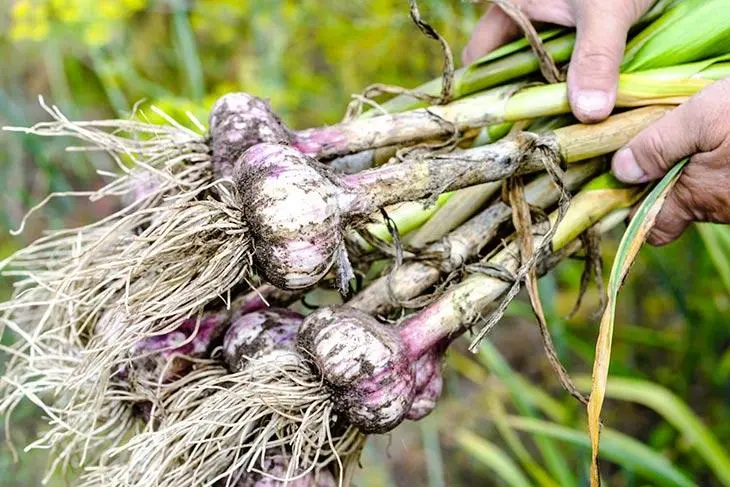
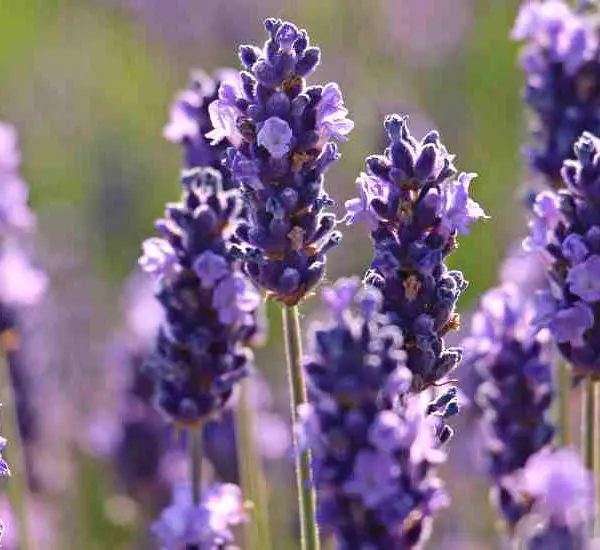
1. Savory and Chamomile: Elevate the taste of garlic by cultivating savory and chamomile, fostering a bountiful harvest. Yarrow, a companion, attracts pollinating insects, enhancing garlic’s flavor.
2. Nasturtiums: Deploy nasturtiums to deter fleas and nematodes, safeguarding garlic. A beneficial association ensuring mutual growth.
3. Strawberries: Plant strawberries beside garlic for larger, tastier bulbs. The strawberries, in turn, gain protection against mushrooms, snails, and soil pests intolerant to garlic.
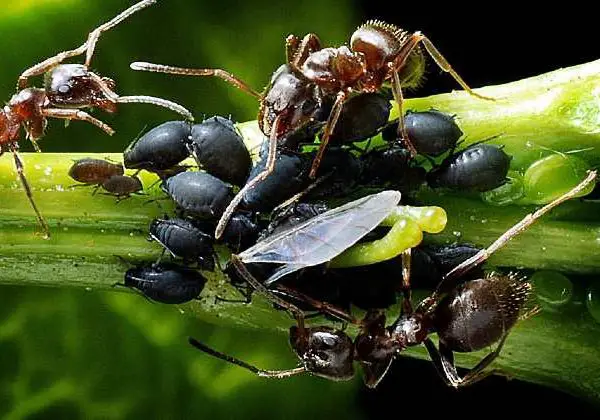
4. Carrots: Sow carrots near garlic to shield them from flies and aphids, promoting a harmonious coexistence.
5. Orange Tree: When garlic grows adjacent to an orange tree’s roots, the tree becomes more fruitful, creating a mutually beneficial relationship.
6. Lettuce: Lettuce acts as an invaluable neighbor, shielding garlic from snails, aphids, and pests, while benefiting from its protective presence.
7. Spinach: Combine spinach with garlic for a symbiotic relationship. Spinach shades the soil, curbing weed growth, while garlic safeguards against parasites and diseases.
8. Horseradish: A harmonious duo, garlic, and horseradish increase each other’s nutritional value, demonstrating the power of complementary planting.
9. Beets: Grow beets in proximity to garlic for enhanced flavor and protection from fungi and rodents. Garlic reciprocates by loosening the soil and improving its structure.
10. Roses: Plant roses alongside garlic to shield them from ants, aphids, snails, and fungi. A protective alliance promoting the blossoming of roses.
11. Tomatoes, Potatoes, Apple Trees, Peach Trees: Garlic proves indispensable in safeguarding tomatoes, potatoes, apple trees, and peach trees from various pests, ensuring a thriving crop.
Planting Garlic: Best Practices
Now that you understand the synergies and protective potential of garlic, let’s delve into optimal growth conditions. Garlic thrives in heavy, moist soil, preferably overwintered in a cold frame or unheated greenhouse. Come spring, plant it in well-prepared soil, ensuring 15 cm spacing between bulbs. Follow these steps:
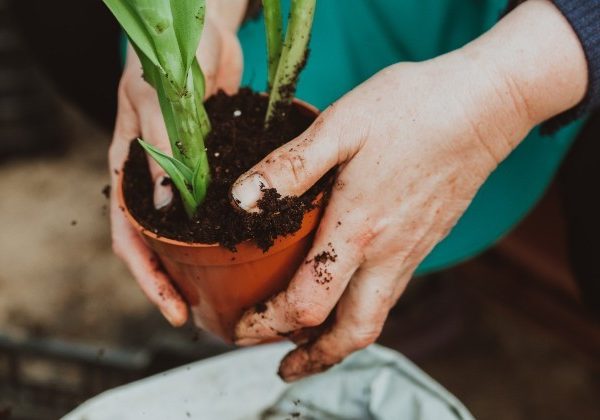
- Fill a modular tray with multi-purpose or soil-based compost.
- Insert a garlic clove into each module, covering with compost.
- Keep the tray in a well-ventilated place, protecting it from adverse weather.
- Maintain moist, not wet, compost.
Ideal Planting Time for Garlic
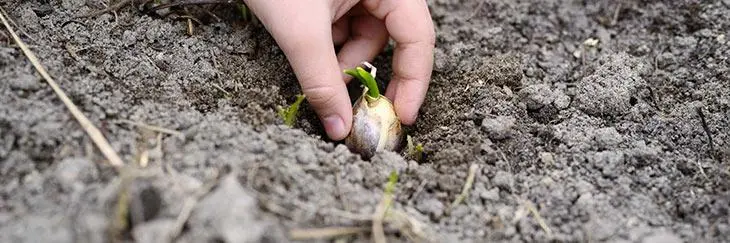
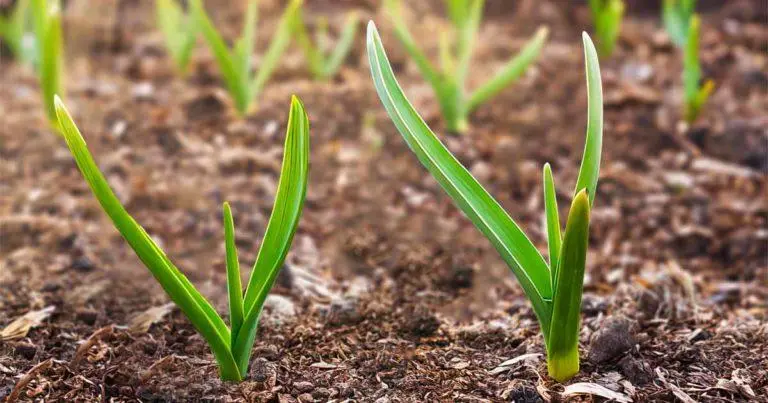
Plant garlic at the end of autumn or beginning of winter for varieties requiring a cold period. Other varieties can be planted in early spring. Separate garlic bulbs into individual cloves and plant them with the flat end down, spaced 6 inches apart, 1 inch below the soil surface. Ensure rows are 30 cm apart. Protect young pods from birds with horticultural veil until well-rooted.
By mastering these techniques, you’ll witness your garlic thrive, fostering a flourishing and mutually beneficial garden ecosystem.