Boric acid is a vital trace element that plays a crucial role in the healthy growth and development of plants. It is especially valuable in protecting your garden from various plant diseases and ensuring optimal plant performance. Here’s how to effectively use boric acid to keep your garden thriving.
Understanding Boron Deficiency
Plants suffering from boron deficiency often exhibit specific symptoms:
- Buds and ovaries may start to die off.
- Young shoots and roots can turn black.
- The main stem and shoots may become weak.
- Leaves develop brown and red spots.
- Fruits might show signs of root rot, dry rot, or white rot.
How to Use Boric Acid in the Garden
- Prepare the Solution:
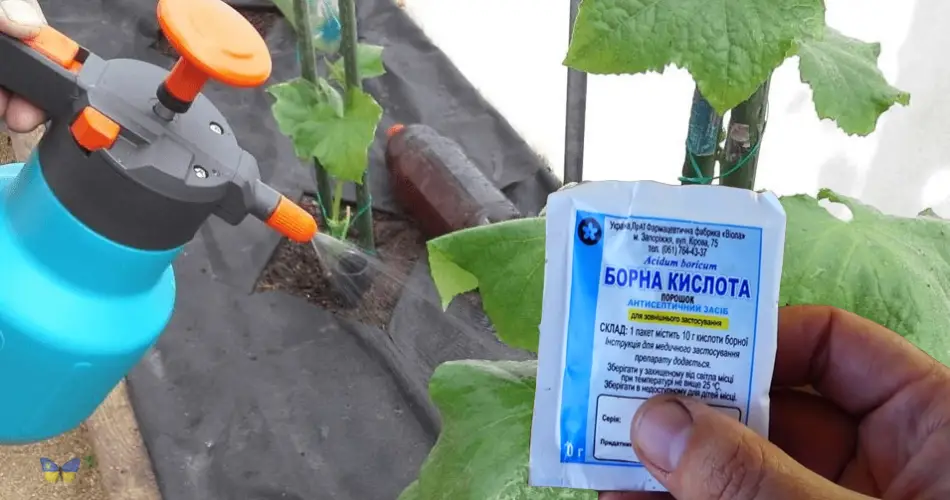
- For Foliar Application: Dissolve 10 grams of boric acid powder in 12 liters of water. Use this solution to thoroughly wet the leaves of your plants. It is advisable to treat tomatoes and cabbages at least three times per season. For other vegetables, apply this treatment twice a season.
- Specific Treatment for Cabbage:
- If cauliflower heads are not forming and the leaves are becoming narrow, this may indicate a boron deficiency. To remedy this, dissolve 1 teaspoon of boric acid powder in a bucket of water and apply it to the soil around the cabbage plants.
Boric acid is a powerful and inexpensive tool that helps in correcting boron deficiencies and enhancing overall plant health. Regular application can prevent the onset of diseases and support robust plant growth, leading to a more productive and vibrant garden.
Show Comments