Among the many surprises that might creep into your home, the centipede, also known as the giant millipede, is one visitor you’d rather avoid. Fascinating yet unsettling, this poisonous creature can sometimes find its way into dark corners of your house. Here’s what you need to know about centipedes and how to handle an unexpected encounter.

What Is a Centipede?
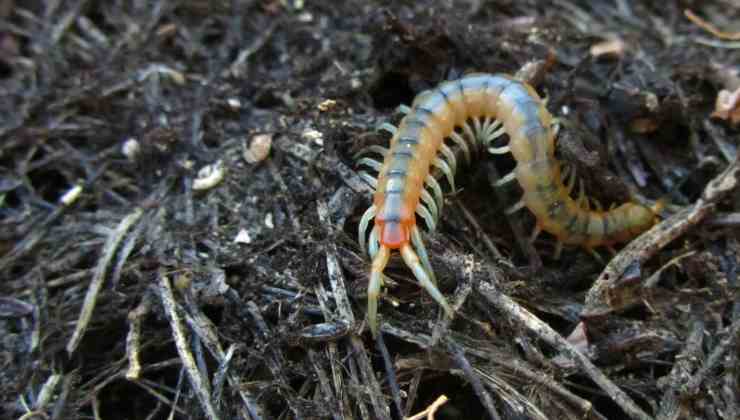
The centipede is an elongated, segmented insect with a flexible, articulated body. While its size varies depending on the species, some can grow up to 30 centimeters in length. Its body is protected by a hard exoskeleton and can come in shades of brown, black, or dark red.
Key Features
- Multiple legs: Each body segment hosts a pair of legs, making the centipede an agile and fast-moving predator.
- Venomous fangs: Located at the front of its body, these are used to immobilize prey by injecting venom, which, though painful, is rarely life-threatening to humans.
Centipedes primarily feed on insects, small invertebrates, and occasionally even small vertebrates like lizards or rodents. They thrive in dark, damp environments, including under logs, rocks, or in urban areas like basements and bathrooms.
What to Do If You Find a Centipede Indoors
Spotting a centipede in your home can be an alarming experience. Follow these steps to deal with it safely and effectively:
Stay Calm
The first and most important step is to remain calm. Avoid sudden movements that might scare the centipede or provoke a reaction.
Identify Its Hiding Spots
Centipedes are drawn to dark, moist areas. Common hiding spots include:
- Basements
- Bathrooms
- Under furniture
- Inside wall crevices
Remove Attractants
To reduce the likelihood of attracting centipedes, address the factors that lure them in:
- Seal food containers tightly to eliminate prey like insects.
- Fix leaks and seal cracks in walls or window frames.
- Reduce moisture by using dehumidifiers in damp areas.
Safely Capture and Release
If you feel confident handling the situation, follow these steps:
- Wear protective gloves to avoid direct contact.
- Use a glass or box to trap the centipede without harming it.
- Once trapped, release it outside in a safe area far from your home.
Call in Professionals
If centipedes become a recurring problem or you’re uncomfortable handling them, contact a pest control professional for assistance.
Prevent Future Encounters
To keep centipedes out of your home, focus on long-term prevention strategies:
- Regular maintenance: Seal cracks and repair leaks.
- Declutter: Remove debris and potential hiding spots around your house.
- Control humidity: Keep living spaces dry, especially basements and bathrooms.
Final Thoughts
While the centipede is a remarkable creature, its presence in your home is far from welcome. By following these steps and maintaining a clean, dry environment, you can reduce the chances of encountering this poisonous predator.
Stay vigilant, and rest assured—most centipedes are more of a nuisance than a serious threat. However, when in doubt, don’t hesitate to seek professional help to keep your home safe and pest-free. 🌿🪳