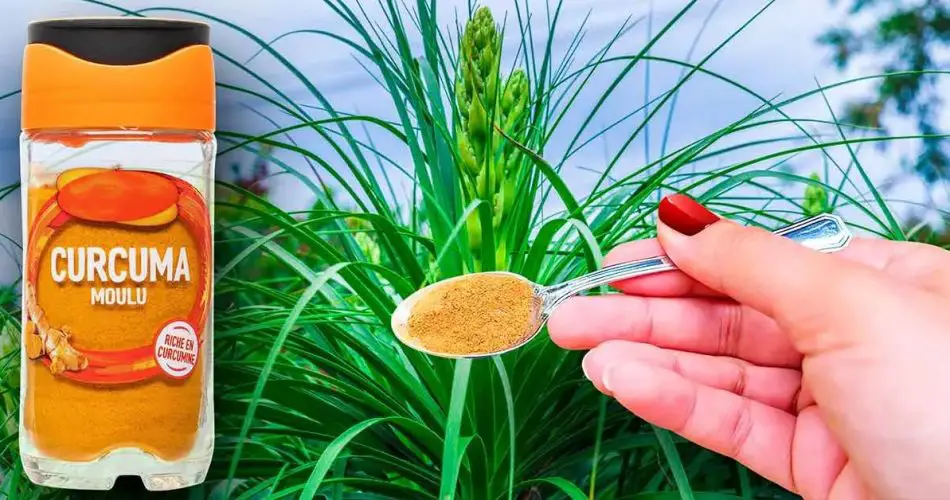
With its distinctive yellow hue and peppery flavor, turmeric is a highly prized spice, especially in Indian cuisine, earning the nickname “Indian saffron.” Beyond its culinary uses, turmeric is a powerful ally for caring for your plants. Discover its many virtues and how to incorporate it into your gardening routine.
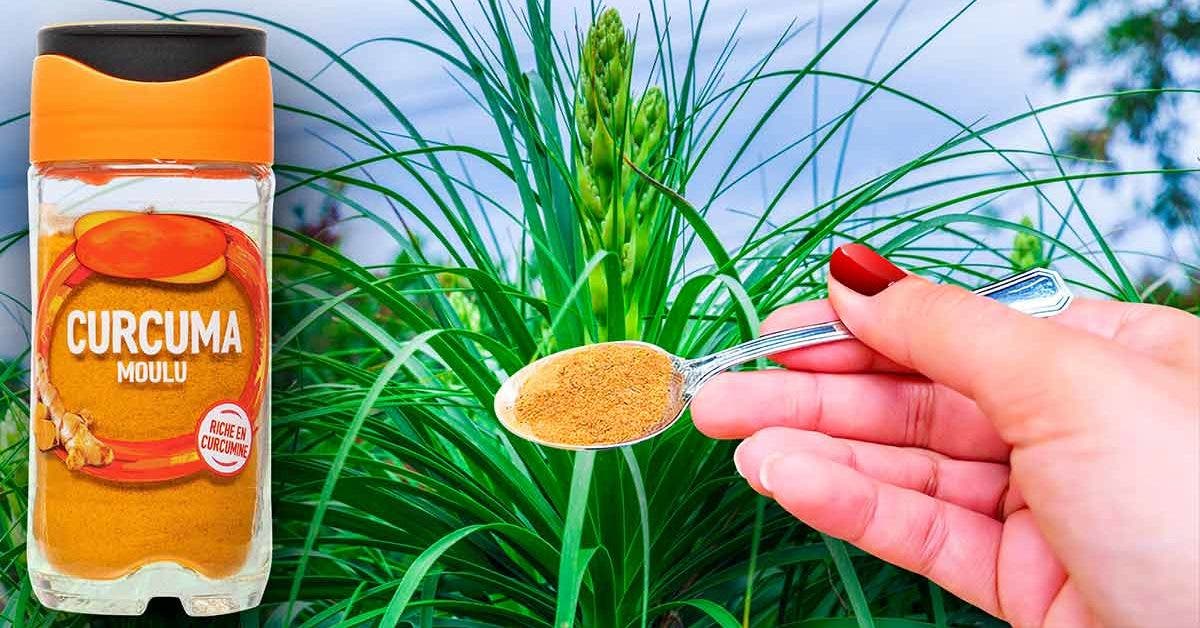
What Are the Benefits of Turmeric for Your Plants?
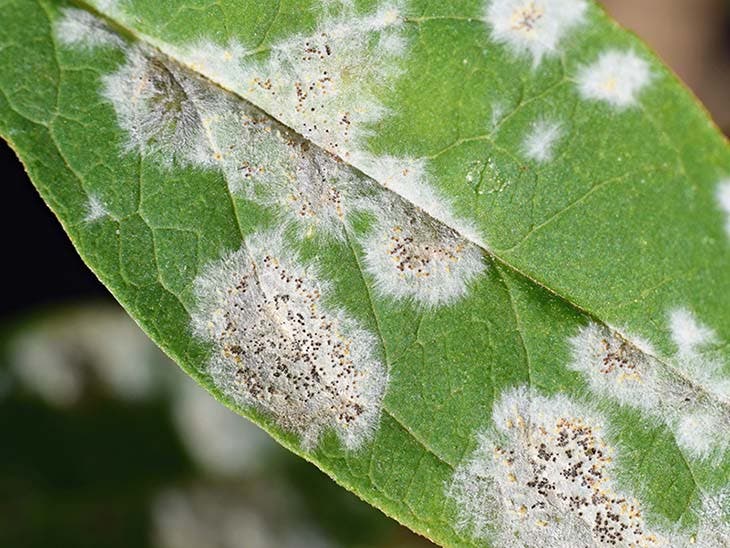
1. Disease Treatment
Turmeric is a valuable asset in treating plant diseases. Its active compound, curcumin, is a potent antioxidant with remarkable antimicrobial and anti-inflammatory properties. Instead of relying on chemical treatments, simply apply turmeric powder to affected areas to combat common issues like powdery mildew, a fungal infection that often plagues crops, especially in humid conditions.
How to Use: Mix two parts ash with one part turmeric and apply directly to the infected plant areas.
2. Fungicidal Action
Turmeric exhibits strong fungicidal properties, helping to prevent and treat fungal infections in plants. This natural remedy supports healthy plant growth without the harmful side effects associated with chemical pesticides.
3. Pest Repellent
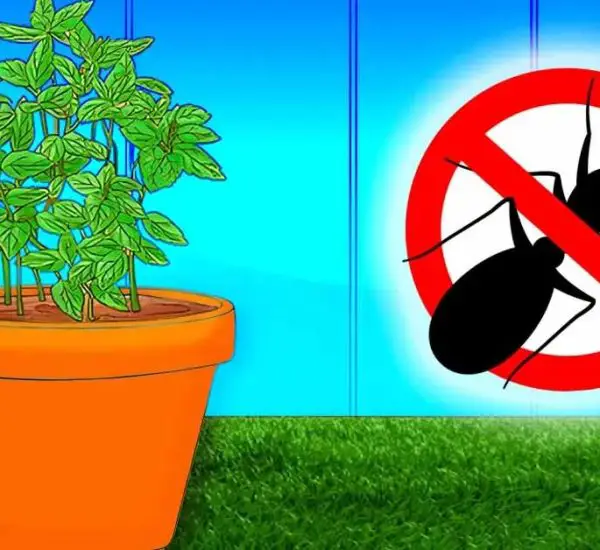
Turmeric not only treats diseases but also repels parasites and insects. Its strong aroma deters pests from invading your plants, making it an effective, natural pesticide.
4. Environmental Friendly
By opting for turmeric, you reduce the reliance on harmful chemical fertilizers and pesticides that can negatively impact the environment, humans, and pets.
Bonus: Growing Your Own Turmeric

Instead of purchasing turmeric, you can easily grow this herbaceous plant at home from a small piece of rhizome. This way, you’ll have a fresh supply for both cooking and gardening.
Natural Remedy for Insect Bites
Gardening often leads to small wounds and insect bites. Turmeric serves as a natural remedy to alleviate pain from these injuries. Its anti-inflammatory and emollient properties help reduce itching and discomfort, while also disinfecting the skin to prevent infection.
Conclusion
Incorporating turmeric into your gardening practices offers numerous benefits, from treating diseases and repelling pests to serving as a natural remedy for skin irritations. Embrace this versatile plant to enhance your gardening experience!