Tomatoes, the versatile delight of our kitchens, find themselves under the threat of downy mildew—a common and perilous ailment. Laurence O shares a comprehensive guide on understanding, preventing, and combating this fungal invasion naturally.
Understanding the Menace: Tomato Late Blight
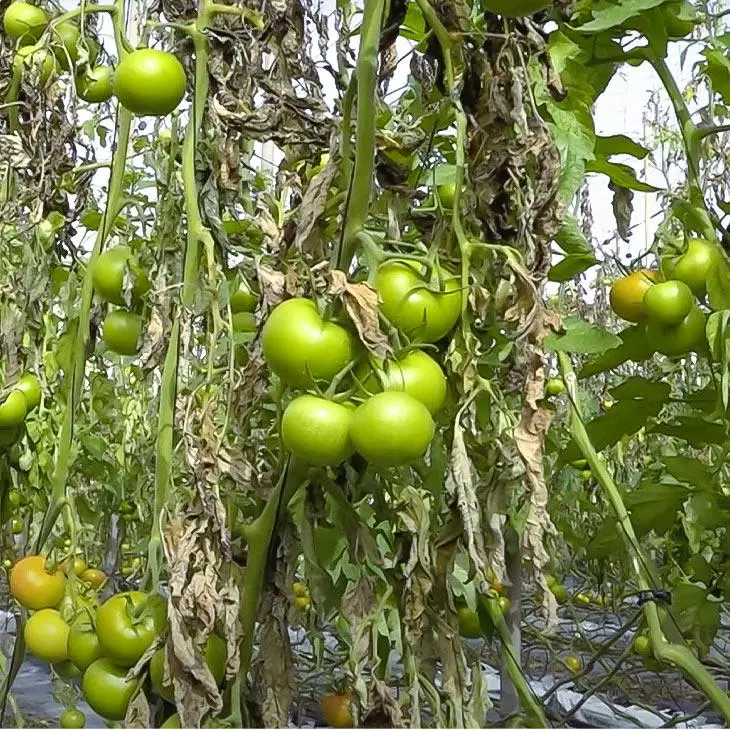
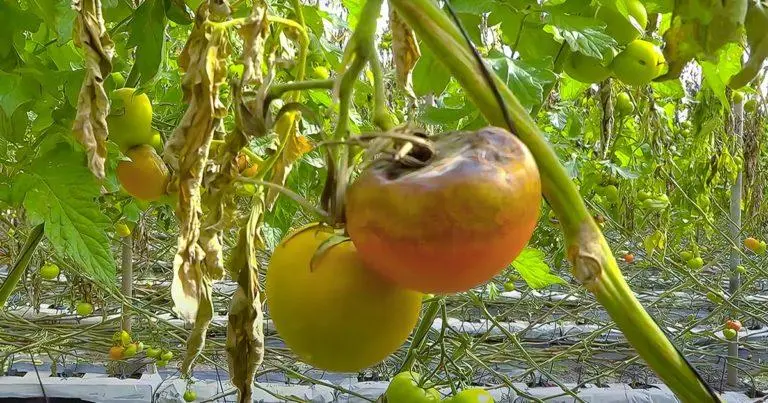
Downy mildew, a persistent fungal disease, manifests as large, irregular brown spots on the leaves and stems of tomato plants. As it progresses, these spots expand, desiccate affected areas, and diminish the plant’s healthy surface. This impedes photosynthesis, leading to the gradual demise of the plant.
Assessing the Damage and Influencing Factors
The impact of late blight on tomatoes varies, influenced by factors such as weather conditions, plant phenology, nitrogen fertilization, treatment frequency, and the tomato variety. Weather conditions conducive to downy mildew include humidity levels above 90% and temperatures between 10 and 25°C. Prevention is crucial as once the disease takes hold, controlling it becomes challenging.
Natural Treatments to Combat Tomato Late Blight
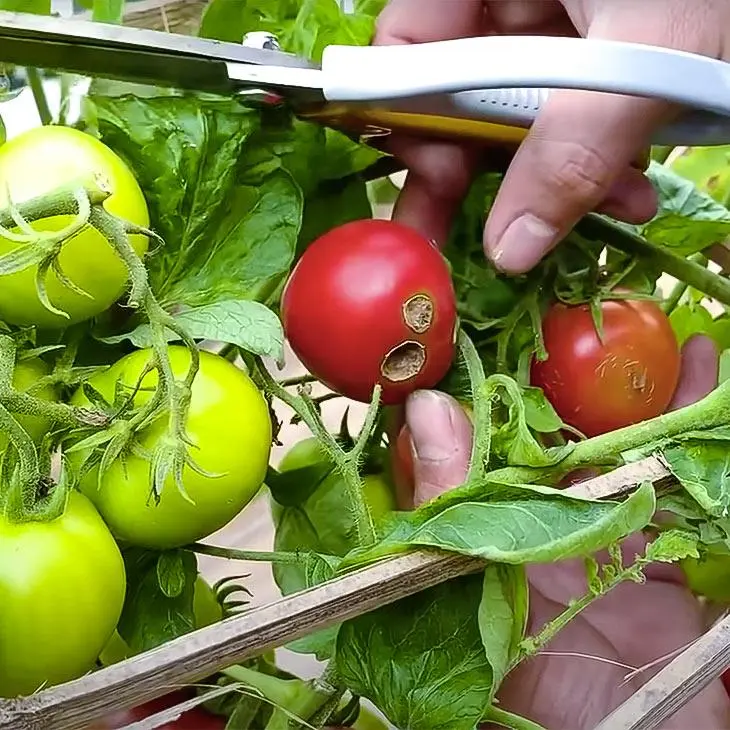
Horsetail Infusion:
Soak horsetails for 24 hours (1 kg of fresh or 150 g of dry plant in 10 liters of water).
Boil for 20 minutes, let it cool, and dilute 5 volumes of the solution in 100 volumes of water before spraying.
Sage Extract:
Ferment sage extract (1 kg of leaves and flowers in 10 liters of water).
Dilute to 10% (10 volumes of the solution in 100 volumes of water) before spraying.
Chamomile Infusion:

Prepare chamomile infusion with 50 g of flowers per liter of water.
Dilute each liter of infusion in 9 liters of water before spraying.
Garlic Repellent:
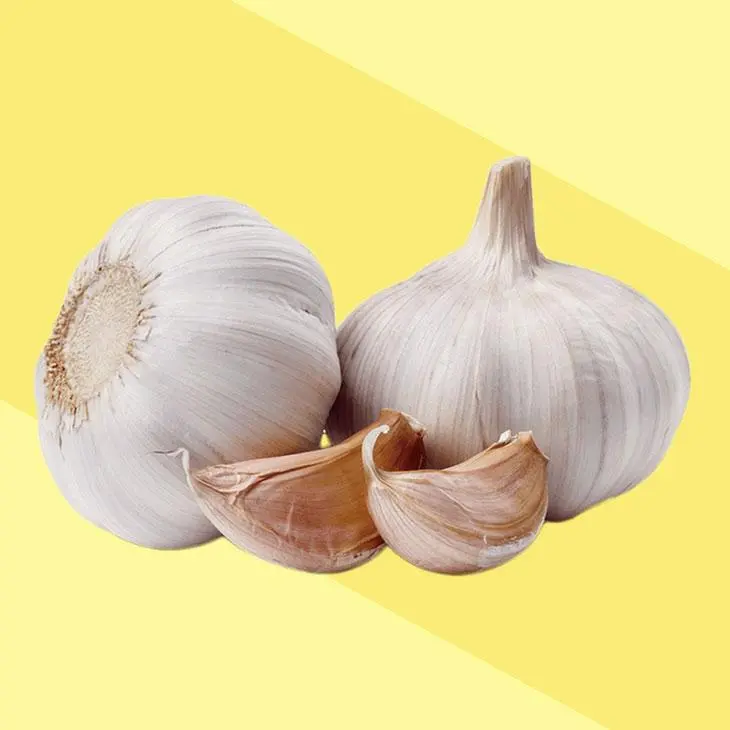
Infuse 50 g of garlic cloves in each liter of water.
Dilute the solution in 4 volumes of water and spray on tomatoes for several consecutive days.
Cow’s Milk Treatment:

Prevention treatment (once a week): Dilute 3 glasses of milk in 7 glasses of water and water the tomatoes.
Prevention treatment (twice a week): Dilute 1 glass of milk in 4 glasses of water and spray on tomatoes.
Copper Wire Method:
Plant a small copper wire near the tomato stem to provide copper, enhancing resistance to mildew.
Nettle Manure:
Soak 1 kg of fresh nettles in 10 liters of chlorine-free water for a fermenting fungicidal solution.
Bordeaux Mixture:
Combine 150 g of slaked lime with 3 liters of water, and 100 g of copper sulfate with 2 liters of water.
Mix both solutions after 24 hours and spray on tomatoes.
Baking Soda Solution:
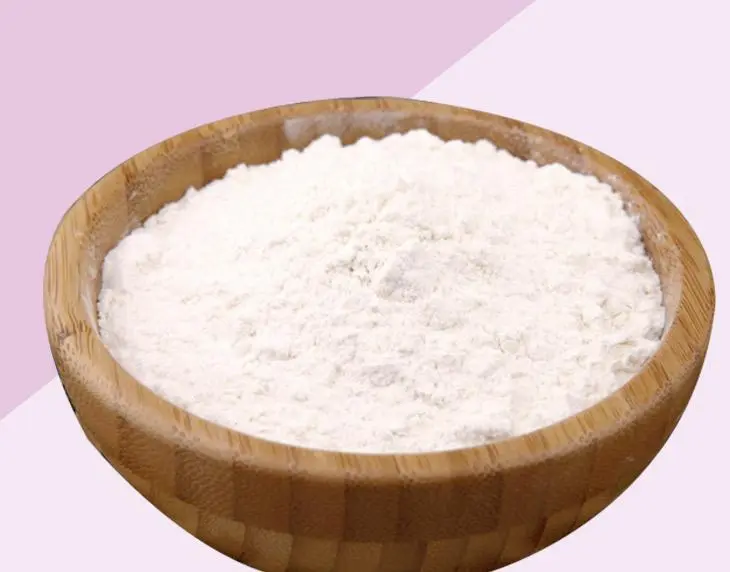
Mix 1 teaspoon of baking soda and 1 teaspoon of soap in 1 liter of water.
Spray the mixture on tomatoes once a week for two months and after every rain.
Preventive Measures for Tomato Leaf Protection
- Ensure sufficient ventilation by spacing plants apart for air circulation and light exposure.
- Remove ground-contacting leaves.
- Avoid excessive irrigation to prevent waterlogged conditions.
- Practice crop rotation and avoid planting tomatoes in the same location.
- Prune carefully to prevent plant injuries.
- Use fertilizers with balanced nitrogen and potassium for healthy plants.
- Choose resistant tomato varieties.
- Separate tomato and potato plantations to avoid cross-contamination.
- Place watering system emitters on the ground between rows, avoiding wetting stems and foliage.
- Clean residue after each harvest to minimize contamination risks.
When to Treat Tomatoes for Late Blight?
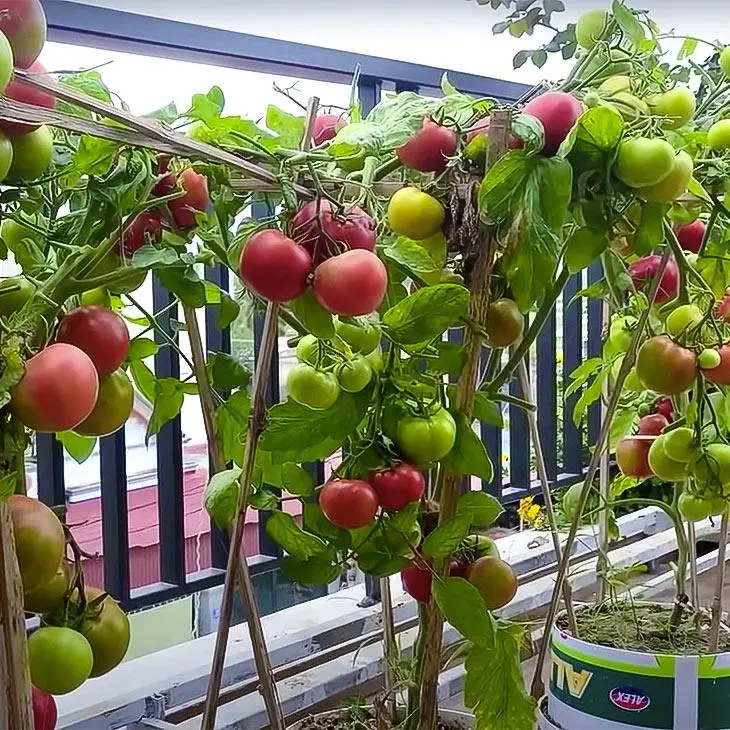
React swiftly with treatments when symptoms of late blight appear. Begin as soon as you notice signs of infection to salvage your tomatoes.
Incorporating these natural remedies and preventive measures into your gardening routine promises a bountiful harvest while safeguarding your plants, your health, and the environment. Organic treatments prove to be a win-win for all.