Pruning trees in autumn is a crucial part of maintaining their health and promoting vigorous growth. However, it’s essential to follow specific rules to ensure pruning is done effectively without compromising the tree’s health. Here’s how and when autumn pruning should be done:
Timing:
- After Leaf Drop: Wait until after the leaves have dropped in late autumn before pruning. This allows you to see the tree’s structure clearly and avoids stressing the tree during active growth periods.
- Avoiding Frost: Prune before the first frost sets in to minimize potential damage to newly exposed cuts. Late autumn, when temperatures are still above freezing, is generally ideal.
Techniques:
- Remove Dead or Diseased Branches: Start by identifying and removing any dead, diseased, or damaged branches. This helps prevent the spread of diseases and allows the tree to allocate resources more efficiently.
- Thinning Out: Thin out overcrowded branches to improve air circulation and light penetration throughout the canopy. Focus on removing inward-growing branches and those crossing or rubbing against each other.
- Shape and Size Control: Prune to shape the tree and control its size. Remove excessive growth and encourage a balanced canopy structure that enhances the tree’s aesthetic appeal and health.
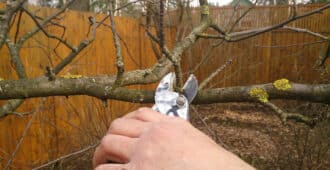
- Pruning Cuts: Make clean cuts just outside the branch collar—where the branch meets the trunk or larger branch—to promote proper healing. Avoid leaving stubs or making flush cuts, as these can lead to decay.
Additional Tips:
- Tools: Use sharp, clean pruning tools appropriate for the size of branches being cut to ensure precise cuts and minimize damage.
- Consultation: If unsure about pruning techniques or the health of your tree, consider consulting with a certified arborist for professional advice and assistance.
By adhering to these rules for autumn pruning, you can effectively enhance the health, structure, and appearance of your trees. Properly timed and executed pruning promotes resilience against pests and diseases while encouraging robust growth in the upcoming seasons.
Show Comments