While houseplants can enhance the beauty of your home, some plants can pose serious risks to children and pets. Certain plants contain toxic sap, leaves, or bulbs, which can cause adverse reactions if ingested or touched. To ensure the safety of your loved ones, it’s important to be aware of these hazardous plants. Here are five common houseplants you should avoid if you have young children or pets:

1. Crassula ovata (Jade Plant)
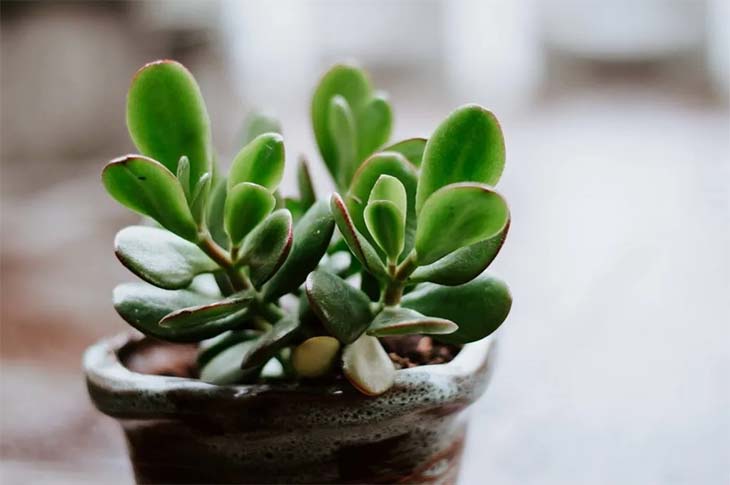
Crassula ovata, commonly known as the jade plant or jade tree, is a popular succulent that requires minimal care. However, it can be toxic if ingested by children, dogs, or cats. Symptoms of poisoning include vomiting and diarrhea. Skin contact with the plant may cause irritation or burns, especially due to its sap and leaves.
2. Dieffenbachia (Dumb Cane)
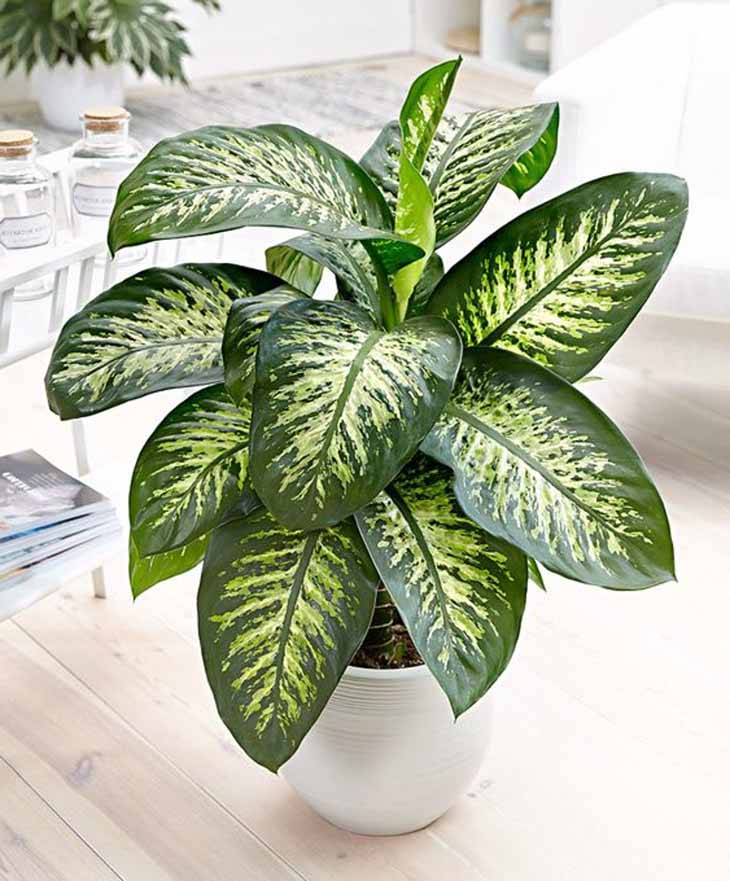
Dieffenbachia is a tropical plant that thrives in low light and warm conditions. While it’s easy to care for, it’s also toxic. The plant’s latex and sap are particularly dangerous, causing irritation to the mouth and throat when ingested. Symptoms include swelling of the tongue, difficulty swallowing, burning sensations, and even dermatitis from skin contact. It can also cause intense eye pain and conjunctival hemorrhage if touched near the eyes. Pets and young children are most at risk due to their tendency to chew on plant leaves.
3. Rhododendron (Azalea)

Rhododendrons, or azaleas, are popular flowering shrubs. However, they are toxic if ingested, especially for children. Ingesting any part of the plant, including the flowers or leaves, can lead to nausea, abdominal pain, vomiting, diarrhea, and more severe symptoms like hypotension and salivation. Symptoms typically appear within 30 minutes to 2 hours after ingestion and can last for several days. The plant is also toxic to dogs.
4. Cyclamen
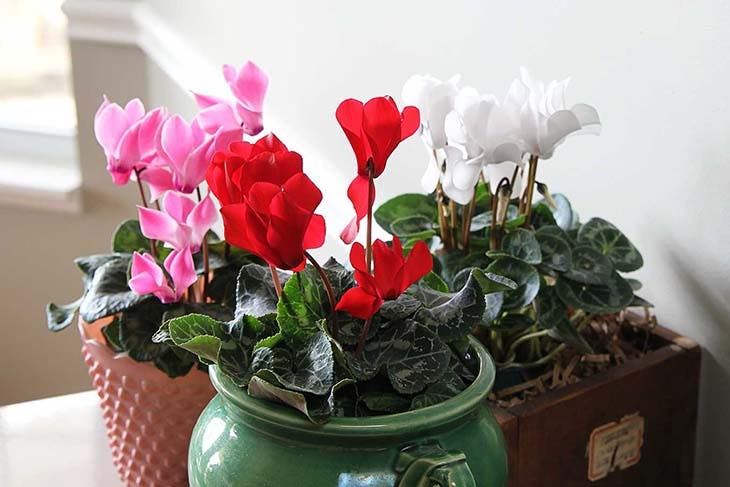
Cyclamen is a charming perennial with beautiful flowers, but its bulb is highly toxic, especially to children and pets. Ingesting any part of the plant can cause nausea, vomiting, and stomach pain. In severe cases, it may lead to muscle paralysis. This makes cyclamen especially dangerous if young children or curious pets are around.
5. Ficus (Rubber Tree)
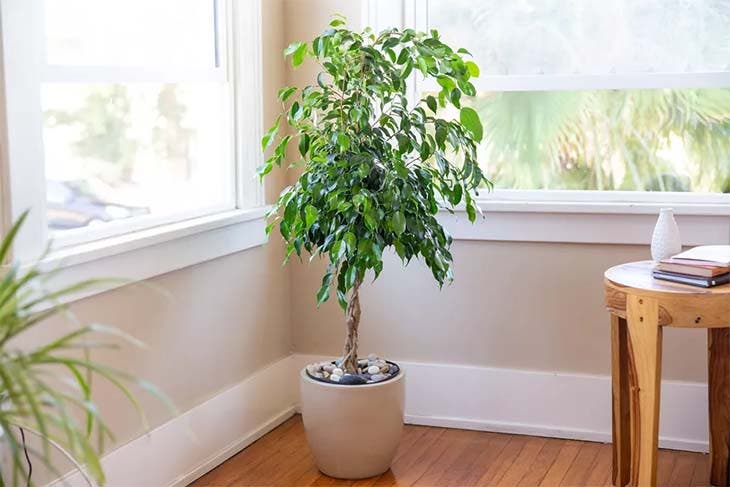
Ficus plants, such as Ficus benjamina (the rubber tree), are common indoor plants with attractive foliage. However, the plant contains irritating latex sap that is harmful if ingested. For children, symptoms can include vomiting, abdominal pain, and a slight burning sensation around the mouth. Ingesting the sap can also cause diarrhea and hypersalivation in pets. Ficus plants are responsible for several cases of accidental poisoning in children.
What to Do If Your Child or Pet Ingests a Toxic Plant
If your child or pet accidentally ingests or comes into contact with a toxic plant:
- For ingestion: Immediately remove any plant material from the mouth. Do not induce vomiting unless directed by a medical professional. Rinse the mouth with water and monitor for any signs of irritation or swelling.
- For skin contact: Remove contaminated clothing and wash the skin thoroughly with lukewarm water for at least 15 minutes.
- Contact poison control: Always call poison control (or your vet in the case of pets) for immediate advice on how to proceed.
Being aware of these toxic plants can help you create a safer environment for your home, ensuring that your children and pets stay healthy while enjoying the beauty of your indoor garden.