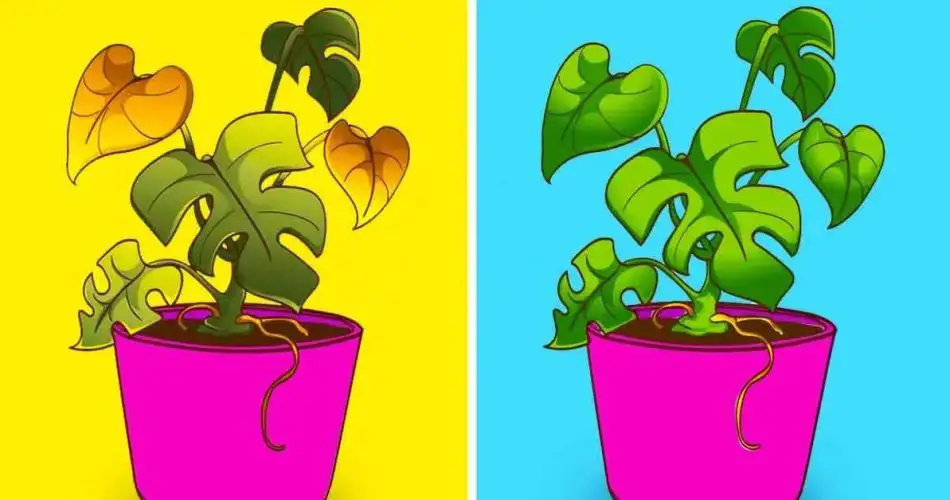
Indoor plants are a wonderful asset to any home. Not only do they decorate interior spaces, but many also help improve air quality by purifying it of toxins. However, to reap the benefits of houseplants, proper maintenance is essential; otherwise, they risk wilting and dying. If you find yourself with a struggling plant, here’s how to revive it with some simple actions.
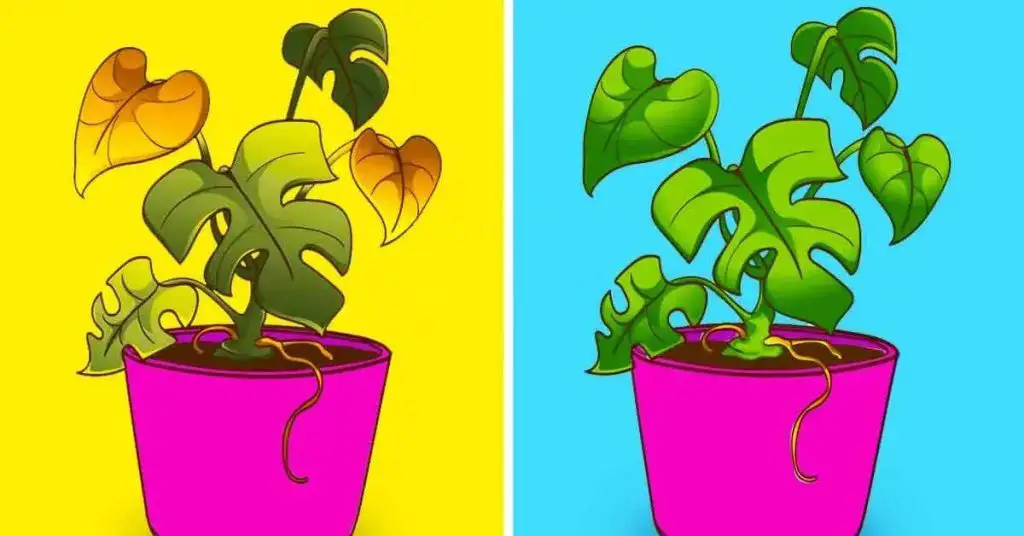
How to Revive a Dead Plant
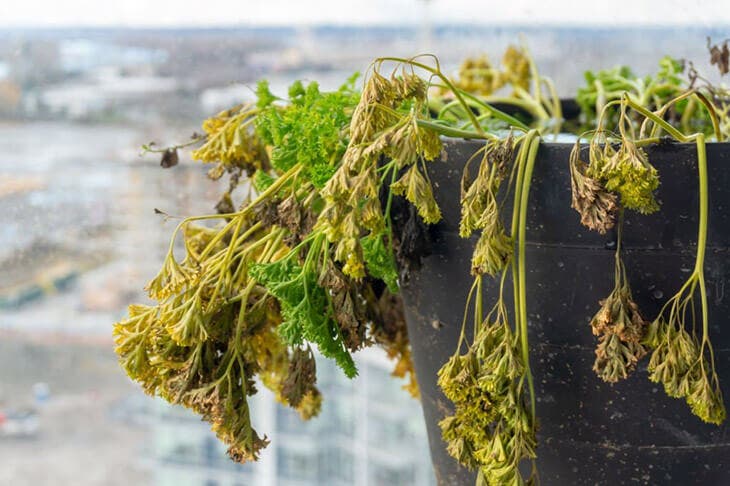
1. Assess the Plant’s Condition
Before attempting to save a wilted plant, you need to determine if it can be revived. Check the stems by cutting the base and examining the color inside. If you find a green layer, there’s hope. If it’s brown and breaks easily, the plant is likely beyond saving. If it’s still salvageable, follow these steps:
2. Prune the Plant
When a plant begins to wilt, it often tries to preserve its healthy parts, which can weaken it further. Remove any dead or dying sections by cutting away parts that appear dry, yellowish, soft, or brown. Use clean and disinfected pruning shears for this task.
3. Change the Location of the Plant
Different plants have varying light requirements. Some thrive in shade, like ferns and begonias, while others, like succulents, prefer bright light. If your plant is wilting, try relocating it to better meet its sunlight needs.
4. Check the Moisture of the Soil
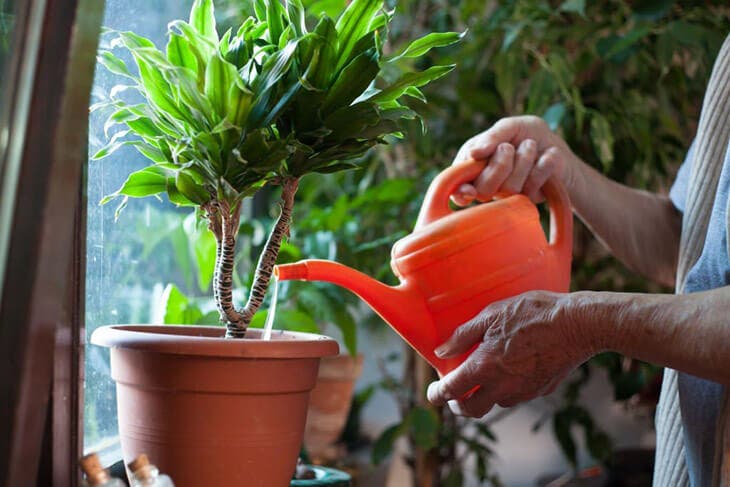
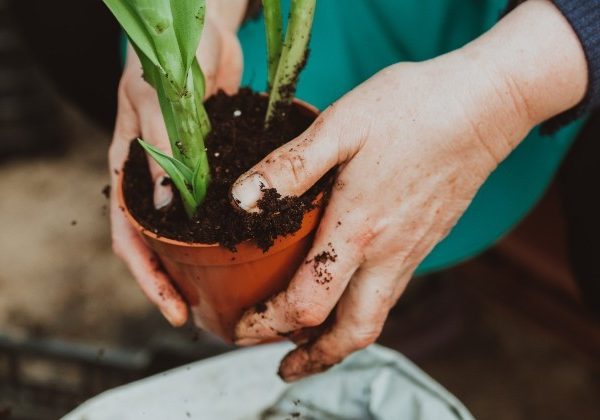
Water is vital for plants, but overwatering can be detrimental. If the soil is too wet, remove the plant from its pot to allow the roots to dry out and trim any rotten roots with pruning shears, leaving only the healthy, white ones. Repot the plant in a pot with drainage holes and add clay balls at the bottom for better drainage.
Conversely, if the soil is very dry, your plant may need a bath. Submerge the pot in room-temperature water to help it regain vitality. Use non-calcareous water, such as spring water, and remember to remove any stagnant water from the saucer after watering.
5. Add Fertilizer to the Plant
A lack of nutrients can also contribute to wilting. When repotting, use nutrient-rich soil or add natural fertilizers like coffee grounds, vegetable cooking water, or wood ash to nourish your plant.
6. Protect the Plant from Pests
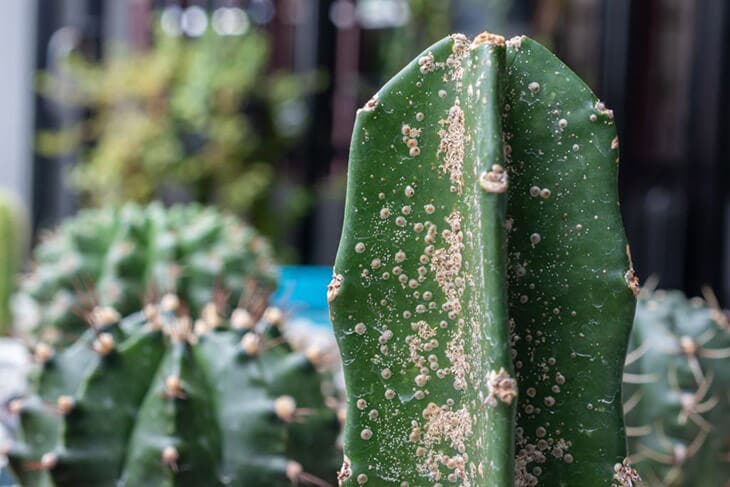
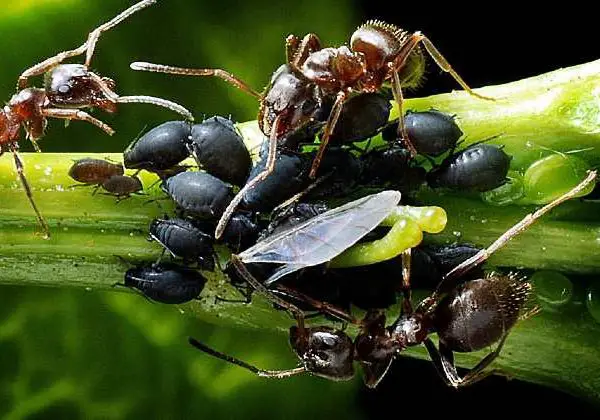
Pests can weaken your plants and lead to wilting. Protect your plant from common pests like aphids, cochineal, or red spiders, especially if you see holes or white marks on the leaves. Utilize eco-friendly solutions such as white vinegar or black soap to effectively combat these invaders.
By following these simple steps, you can save your dying plant and restore it to a vigorous and lush state once again!