Proper care for your plants extends beyond just watering and fertilizing. The pot itself plays a crucial role in your plant’s health and growth. Here are five things to avoid to ensure your plants thrive in their containers.
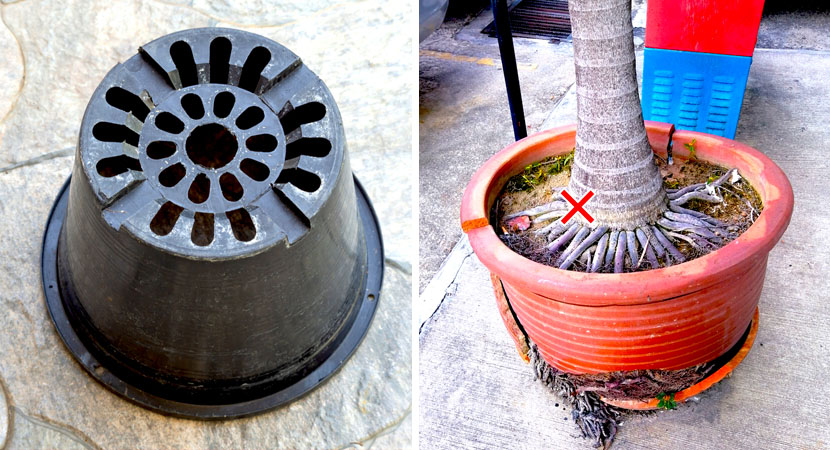
1. Overcrowding Pots with Multiple Plants
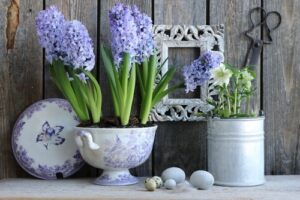
Why to Avoid: Different plants have varying root structures and growth habits. Planting too many in one pot can lead to competition for nutrients, water, and space. This can stunt growth and cause stress to the plants.
Best Practices:
- Limit the Number of Plants: Ideally, keep no more than two or three plants per pot.
- Match Root Types: Ensure all plants in the pot have similar root systems and growth requirements.
2. Poor Drainage
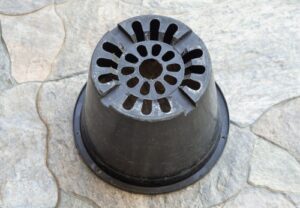
Why to Avoid: Inadequate drainage can cause water to accumulate at the bottom of the pot, leading to root rot and other issues.
Best Practices:
- Ensure Adequate Drainage Holes: More drainage holes are better to prevent water from pooling. Most pots come with a central hole, but additional holes may be necessary.
- DIY Drainage: For plastic pots, heat a nail and carefully melt additional holes. For clay pots, gently tap a nail to create holes.
3. Incorrect Pot Size
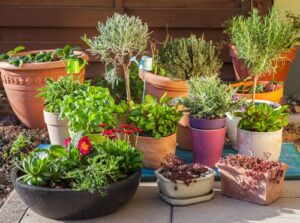
Why to Avoid: Using a pot that is too small can restrict root growth, while a pot that is too large can lead to overwatering and nutrient imbalances.
Best Practices:
- Choose Based on Plant Size: Consider the mature size of the plant and its root system when selecting a pot.
- Fit for Roots: A taller pot is better for plants with deep roots, while a wider pot suits plants with shallow root systems.
4. Ignoring Pests and Parasites
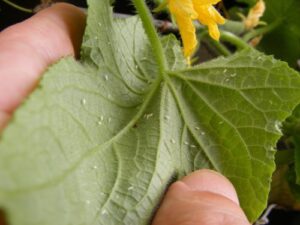
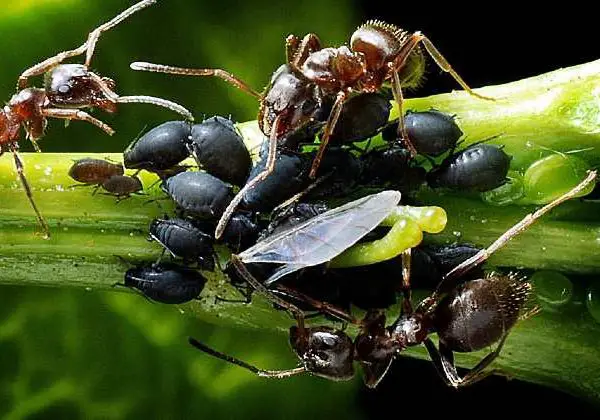
Why to Avoid: Pests like aphids, spider mites, and whiteflies can damage plants by sucking sap or transmitting diseases.
Best Practices:
- Monitor Regularly: Check for signs of pests and act quickly if you notice them.
- Use Appropriate Insecticides: Opt for organic insecticides that are safe for children and pets.
5. Undetected Fungi
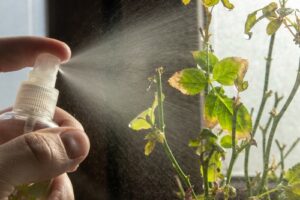
Why to Avoid: Fungal infections often thrive in damp conditions and can be difficult to spot until they’ve caused significant damage.
Best Practices:
- Maintain Proper Moisture: Avoid overwatering and ensure good air circulation around the plant.
- Treat Fungal Infections: Use fungicides as soon as you see symptoms like brown spots on leaves.
By avoiding these common pitfalls, you can ensure your plant pots are conducive to healthy growth and longevity of your plants. Proper pot selection and maintenance are key to a thriving indoor garden.