Flowering plants are appreciated for their decorative appearance, but also for their scent which perfumes the house. To make them last and enjoy beautiful flowering, it is important to know where to place them. Indeed, certain places should be avoided, due to drafts or low exposure to light. Some flowers even have an allergenic potential, and in this case it is advisable to keep them out of the bedroom. That said, discover the 5 places in the house where you should not keep these plants.
Before welcoming a new flowering plant into your home, it is important to know its needs, particularly in terms of light and heat, and especially to find out if it can cause an allergy or be toxic. This information will help you know where to avoid placing certain plants.
Where to keep flowering plants at home?

Houseplants do not thrive everywhere in the house. Indeed, some of them may not flower if they are placed in poorly exposed places. In addition to this, some plants may pose an allergy risk or be toxic to children or pets. That said, here are 5 places in the house where you should not keep them.
- Place flowering plants near the window

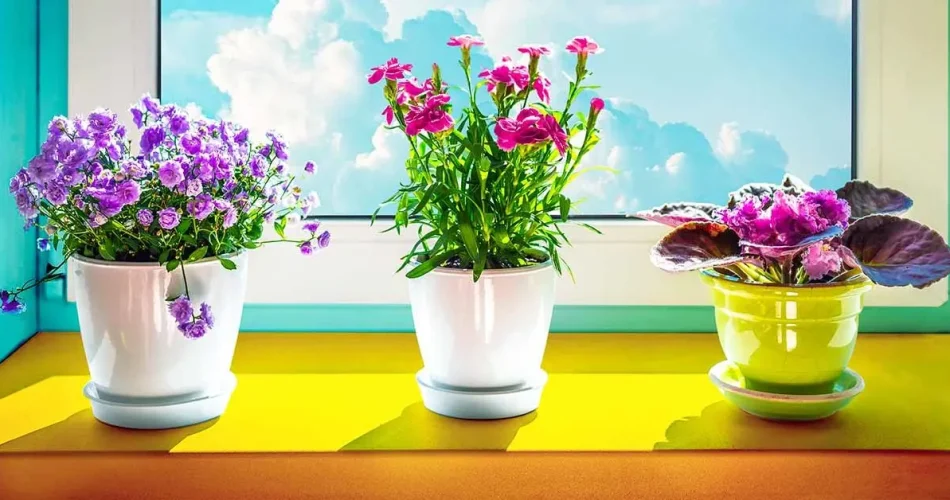
Some flowering plants are not hardy, that is, they do not resist cold and frost. Drops in temperature can in fact cause thermal shock and turn their foliage yellow. Some plants can even wither or freeze if their leaves touch a cold window, especially in winter. This is why it is better to keep chilly houseplants away from the window, especially when temperatures drop in winter.
- Place flowering plants above the cabinet or on a high shelf
Placing houseplants up high, such as on a high shelf or above a cabinet, may not be suitable for all flowers, especially those that need bright exposure in order to grow and bloom. In this case, it would be better to keep your plants in a place exposed to sunlight.

- Near the door
Your flowering plants may not flourish if you keep them near a door. They could in fact suffer from drafts, in addition to a lack of light.
- In the bedroom

While certain plants are effective in helping you fall asleep, thanks to their depolluting properties, others should be avoided in the bedroom. In fact, it is advisable to avoid plants with very fragrant flowers, as their strong scent could disrupt sleep. Some flowering plants could even cause allergies . This is also the case for amaryllis which is, according to Doctissimo, toxic for babies, or even chrysanthemum which in addition to being allergenic is also irritating . Contact with this flower could lead to allergic contact dermatitis. That said, you can replace these flowers with green plants which have the particularity of purifying the ambient air of toxins such as benzene or formaldehyde. This is particularly the case for ivy, sansevieria, and even dragon tree.
- Within reach of pets or children

Some flowering plants are toxic to pets and should not be kept in areas accessible to your cat or dog. This is the case for azaleas, cyclamen, amaryllis, chrysanthemums and even hyacinth. Ingesting a toxic flower could cause your pet to experience vomiting, diarrhea, excessive salivation, tremors or convulsions. If you notice these symptoms in your cat or dog, do not try to make him vomit and contact the veterinarian immediately. If you still want to have flowering plants at home, you can opt for flowers that are harmless to your pet, such as calendulas, petunias or even certain varieties of orchids.
By avoiding these places you will allow your flowers to flourish and bloom, without fearing the allergenic potential that certain flowering plants could have.