The plants are certainly decorative, but there are certain varieties that are best not grown indoors. And for good reason, certain parts of these plants, such as the foliage, the sap or the bulb could be toxic to young children and pets. To avoid incidents, it is better to do without these plants. Check out these 5 toxic houseplants.
Before purchasing a houseplant, it is important to check if it has any allergenic potential and if it is not toxic to your children and pets.
What are toxic houseplants?
Here are the toxic plants that are best not kept at home.
- Crassula ovata: Toxic succulent plant
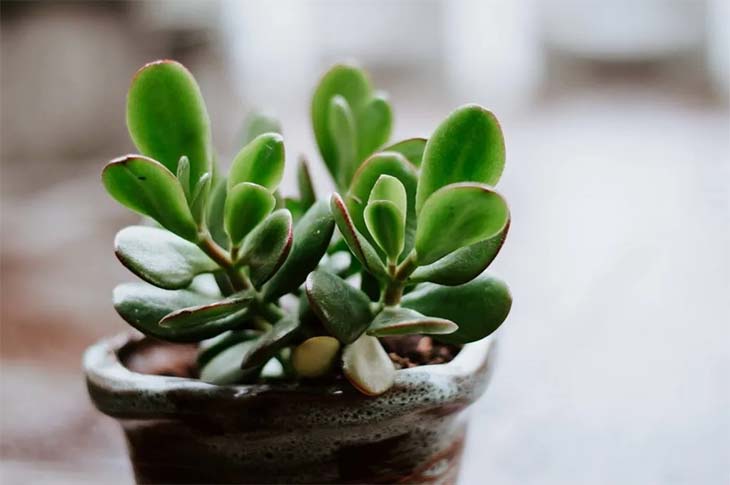
Crassula ovata, or jade tree, is a succulent plant native to South Africa. This perennial plant is known for being easy to care for, due to its low water requirements. On the other hand, crassula ovata could be toxic for humans, but also for domestic animals. If accidentally ingested, especially by children, dogs or cats, it can cause vomiting, accompanied by diarrhea. Touching the plant can cause skin burns or itching, especially from its sap and leaves.
- Dieffenbachia: Toxic indoor tropical plant
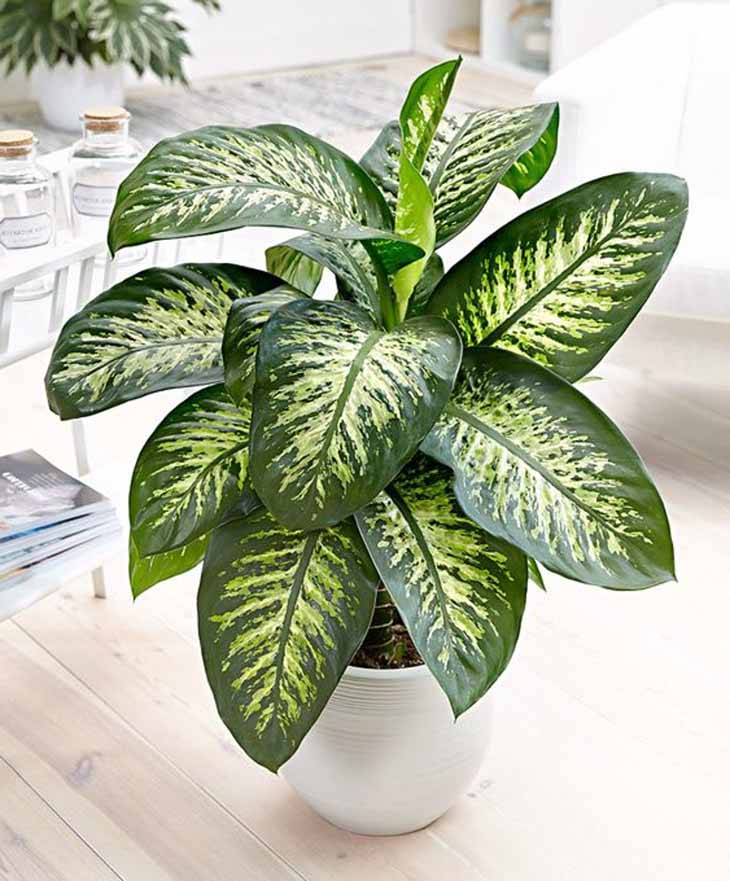
Dieffenbachia is a tropical plant from the Araceae family. This decorative plant tolerates heat and low light well. It is certainly easy to maintain, but it is also toxic. The latex and juice of the plant are the most irritating elements of dieffenbachia. Young children and animals are most affected by dieffenbachia poisoning because, if left unsupervised, they may chew pieces of the plant’s toxic leaves. Ingestion may cause swelling of the tongue and mucous membranes, which in turn causes a burning sensation making swallowing difficult. Repeated contact of the plant with the skin can cause dermatitis. Contact with the eyes can cause intense pain accompanied by conjunctival hemorrhage, or even a reduction in visual acuity for a few days.
- Rhododendron: Toxic decorative shrub
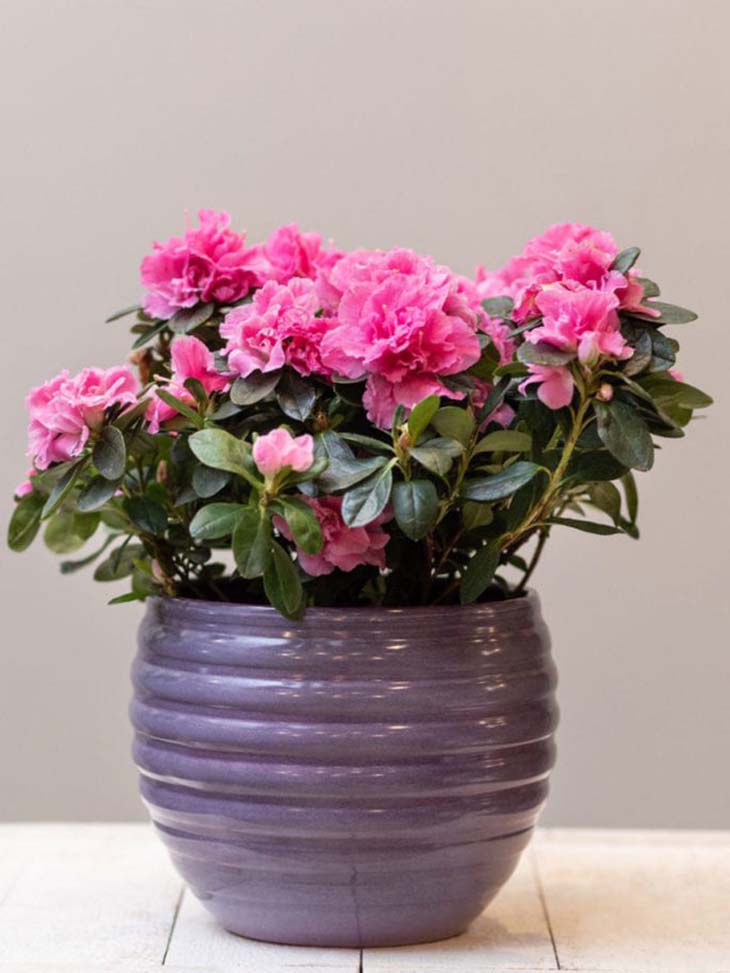
Also called azalea, rhododendron is a flowering shrub considered toxic, especially for babies. Ingesting any part of this plant, or consuming its honey can cause, among other things, nausea, abdominal pain and cramps, diarrhea, vomiting, or even hypotension, or hyper-salivation. Note that symptoms appear between 30 minutes to 2 hours after ingestion. They can also last several days. Azalea is also toxic to dogs.
- Cyclamen: Toxic flowering plant
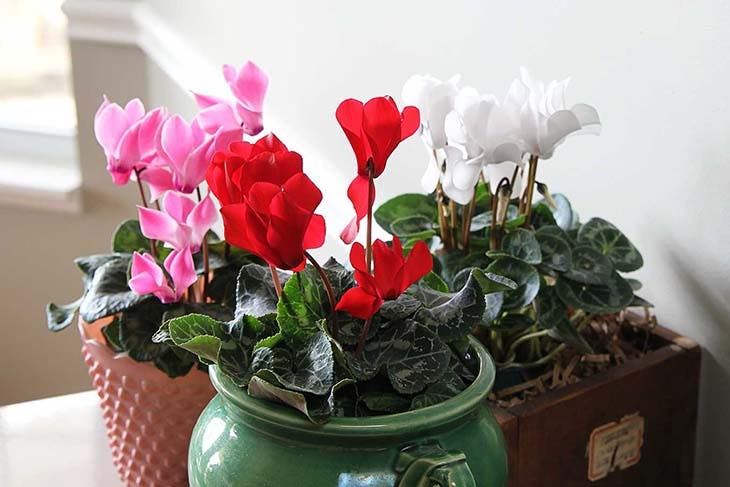
Cyclamen is a perennial plant appreciated for its colorful flowers. On the other hand, its bulb is toxic and its ingestion can cause vomiting, nausea, stomach pain, and sometimes even muscle paralysis.
- Ficus: Toxic houseplant
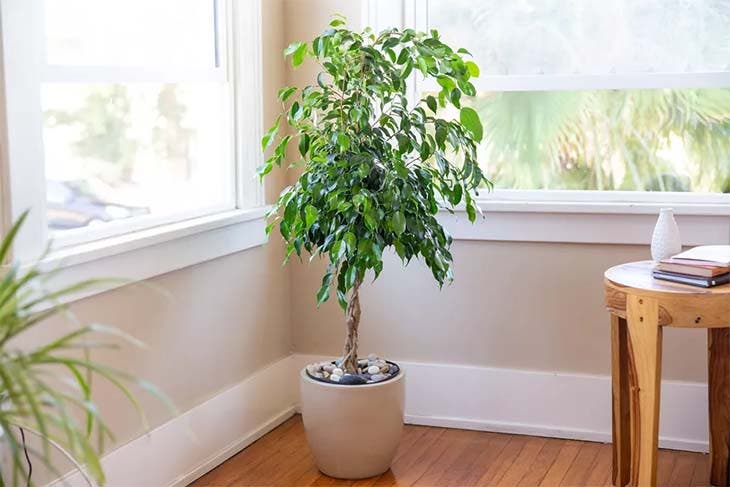
Also called fig or rubber tree, the ficus is an indoor plant par excellence. Its green, leathery foliage is certainly decorative, but it is dangerous for young children, and for good reason, its sap is an irritating latex. Ingestion may cause abdominal pain, vomiting, nausea, and mild burning around the mouth. Ficus is also toxic to pets. Its ingestion may cause hypersalivation, oral irritation, diarrhea or vomiting. Moreover, the ficus benjamina, a species of ficus, is considered among the houseplants responsible for accidental poisoning of young children.
What to do if your child accidentally touches or ingests a toxic plant?
If toxic parts of the plant are ingested, it is important to remove the pieces of the plant from your child’s mouth and keep them in order to later identify the ingested plant. Contrary to popular belief, it is not recommended to make your child vomit. Rinse his mouth, look for signs of irritation or swelling in his mouth and contact the poison control center immediately. If, on the other hand, your child touches a toxic plant, remove contaminated clothing and wash their skin with lukewarm water for at least 15 minutes. Then call the poison control center to find out what to apply to your child’s skin.