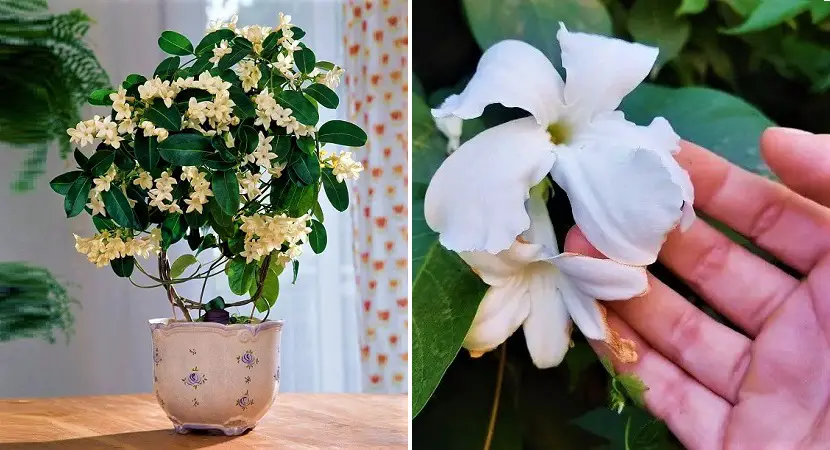
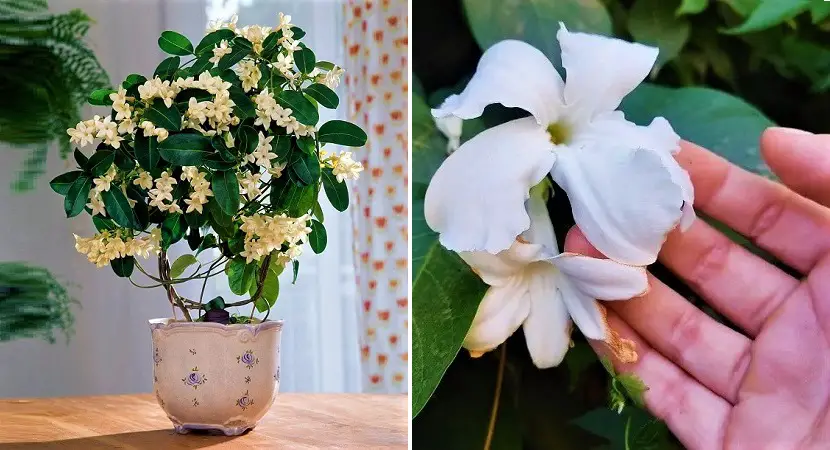
Jasmine, a tropical plant with around 200 different species, is renowned for its enchanting fragrance, featured in everything from teas and soaps to perfumes. Its white flowers can grow as either a vine or a bush. To ensure your jasmine flourishes, follow these essential care tips:
1. Sunshine

The amount of sunlight required by jasmine depends on its variety, but generally, it needs about six hours of full sun and two hours of partial shade daily. Here’s how to gauge if your jasmine is getting the right amount of sunlight:
- If it doesn’t bloom: It may not be receiving enough sunlight.
- If leaves turn brown: This could indicate sunburn from too much direct sunlight.
Adjust its placement accordingly to ensure it receives the optimal balance of light.
2. Irrigation

Jasmine does not need daily watering. The frequency of watering should be based on the soil’s condition. Here’s a helpful guide:
- Dry or hot climates: Water more frequently, but always check if the soil is dry before adding more water.
- Humid climates: Water less often. Allow the soil to dry out for a day between waterings.
For potted jasmine, ensure the pot has good drainage to keep the roots healthy and prevent waterlogging.
3. Pruning
Proper pruning is crucial for maintaining the health and beauty of your jasmine plant:
- Remove dry or damaged leaves and stems: This helps prevent the spread of diseases.
- Cut spent flowers: This encourages the plant to direct its energy into producing new blooms.
Regular, methodical pruning promotes lush foliage and abundant flowering, enhancing the plant’s overall health and appearance.
4. Climate

Being a tropical plant, jasmine thrives in warm climates. Here’s how to manage its temperature needs:
- Young plants: Ideal temperatures range between 15ºC and 25ºC (59ºF to 77ºF).
- Established plants: Can tolerate temperatures down to 5ºC (41ºF), but should be protected from frost.
For potted jasmine, if temperatures fall below 5ºC (41ºF), bring the plant indoors to shield it from cold conditions.
5. Soil and Fertilizer
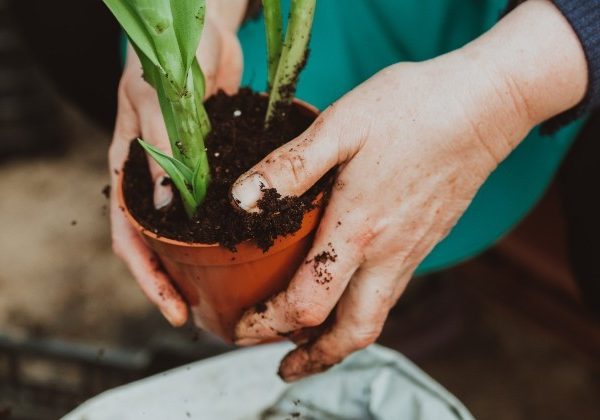
Jasmine prefers well-drained, moisture-retentive soil. The ideal mix includes sand, clay, peat, and bark. The more porous the soil, the better the jasmine will grow.
For fertilizing:
- Choose a fertilizer high in potassium and phosphorus: This supports longer-lasting blooms.
- Application: Follow the instructions on the fertilizer packaging. Typically, feeding every two weeks during the growth period will support healthy development.
By adhering to these care guidelines, your jasmine plant will thrive and continue to add its exquisite fragrance and beauty to your space.