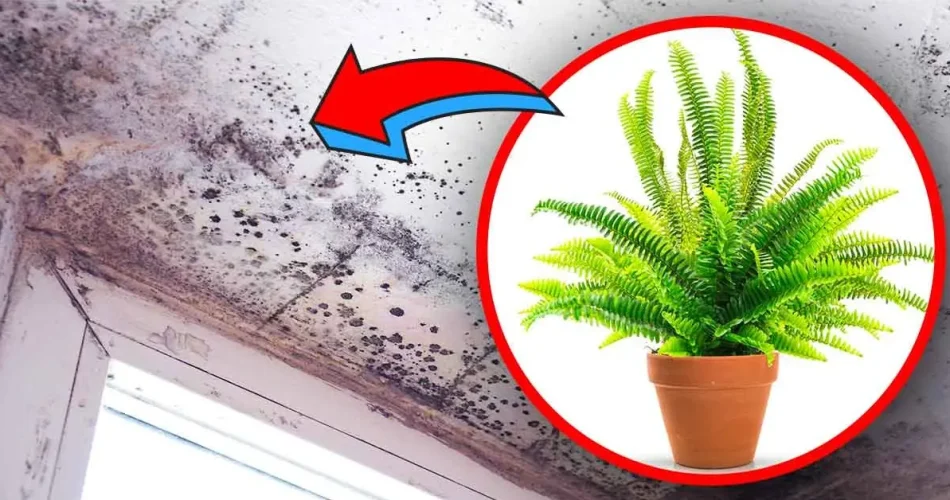
In addition to enhancing your indoor decor, certain plants can also purify the air. Some houseplants are particularly effective at reducing excess humidity, thereby preventing mold growth. Discover four plants that can help minimize the risk of mold in your home.
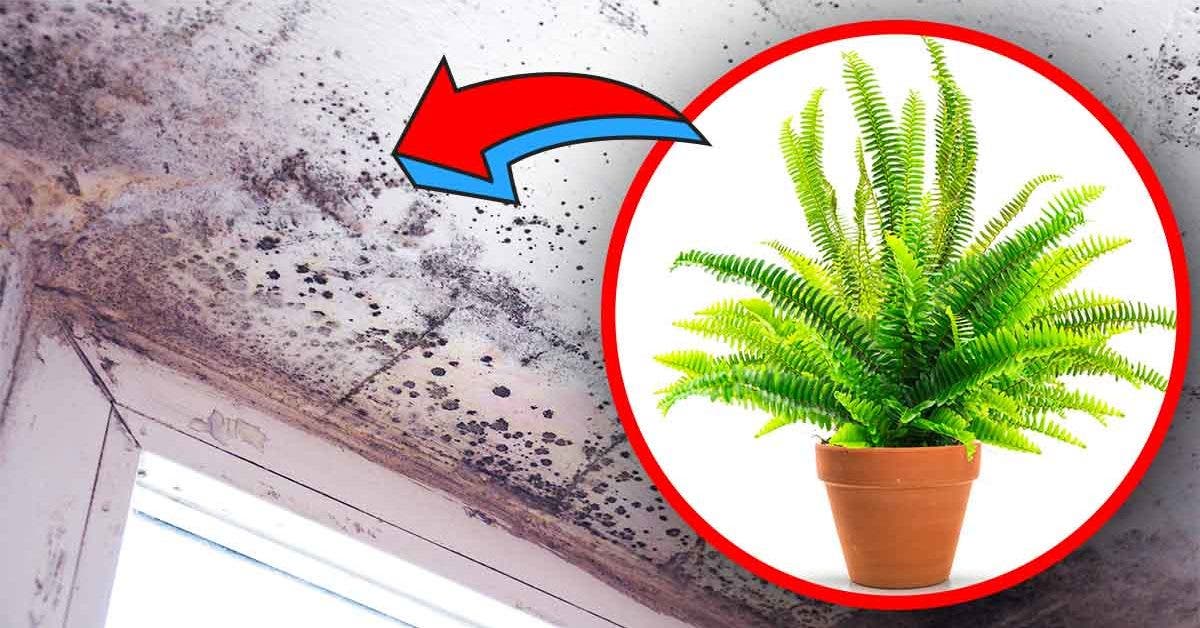
Indoor plants can effectively tackle several issues, including mold. By selecting plants that absorb moisture, you can prevent the proliferation of these microscopic fungi.
What Are the 4 Effective Indoor Plants to Prevent Mold?
To protect your home from mold, consider growing the following houseplants, known for their moisture-absorbing capabilities.
1. Spider Plant: A Humidity Eliminator
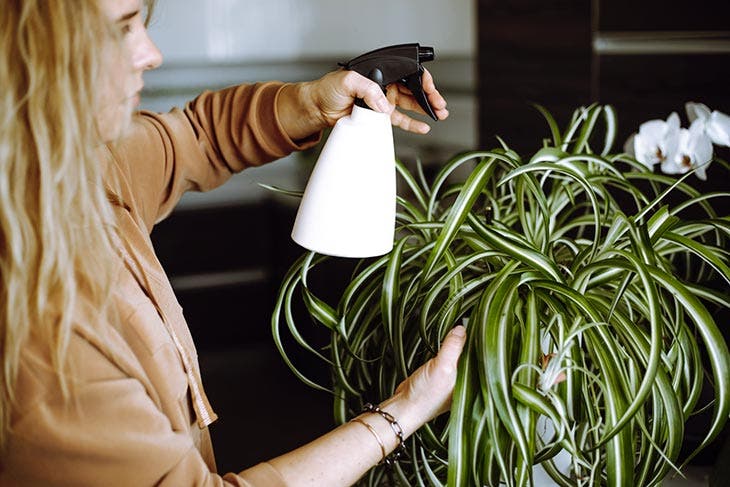
The spider plant, or chlorophytum, is native to South Africa and features flexible, ribbon-like leaves. This robust and easy-to-maintain plant thrives in low light and can withstand drought. Besides purifying the air by eliminating pollutants like carbon monoxide, toluene, and formaldehyde, the spider plant is also effective at absorbing moisture, helping to prevent mold growth.
2. Peace Lily: A Mold-Preventing Houseplant
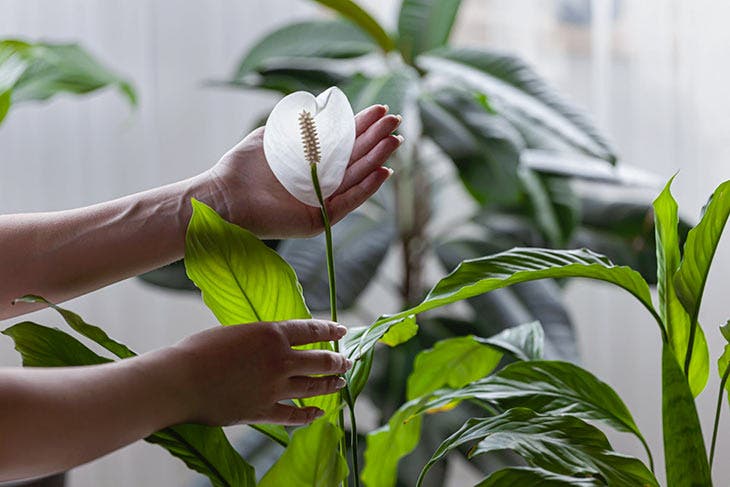
The peace lily, or spathiphyllum, is a hardy perennial plant that is easy to care for. It tolerates irregular watering and can flourish in dimly lit areas, making it perfect for those without a green thumb. By absorbing humidity from the air, the peace lily helps prevent the development of mold and fungi in your home.
3. Boston Fern: A Green Solution for Humidity Issues
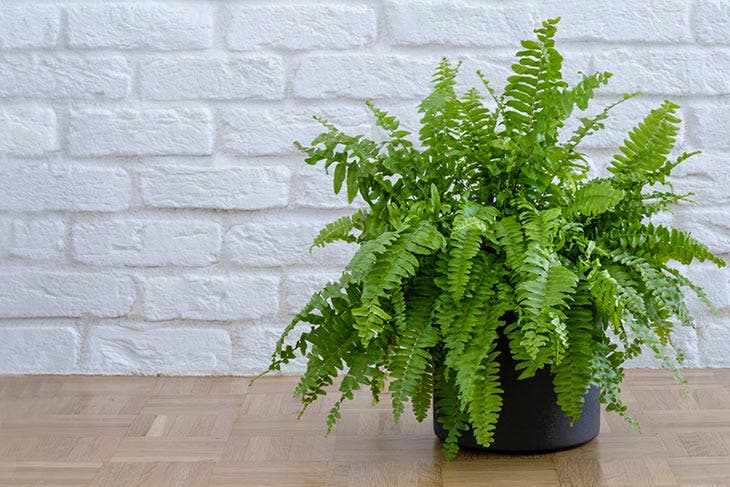
The Boston fern, or nephrolepis, is an attractive indoor plant known for its air-purifying properties. It effectively absorbs volatile organic compounds such as xylene and formaldehyde, often released by paints and furniture. As a tropical plant, the Boston fern thrives in humid environments, making it ideal for bathrooms. By regulating household humidity, it can help eliminate mold growth.
4. Tillandsia: A Flowering Plant to Lower Humidity Levels
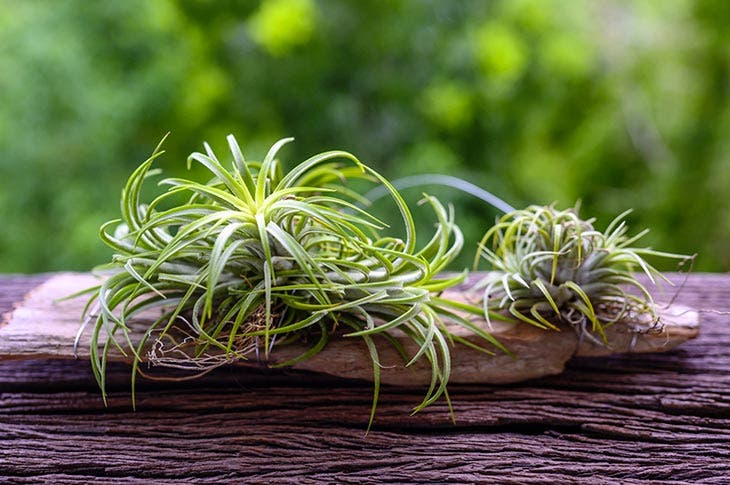
Tillandsia, often referred to as the air plant, is a perennial flowering plant native to the Americas. It is robust and easy to grow, thriving in various arrangements—hanging, upside down, or in pots. This unique plant captures moisture from the air through its leaves, effectively reducing indoor humidity levels and preventing mold. For optimal growth, keep it in a bright location while avoiding direct sunlight.
If your indoor air is too humid, consider adopting these plants that effectively absorb moisture and help maintain a mold-free environment.