Dreaming of a garden that flourishes even in winter? Look no further! Explore our curated selection of 20 robust and stunning cold-resistant plants that will elevate your outdoor space, adding allure and vibrancy even during the chilly season.
Benefits of Outdoor Succulents
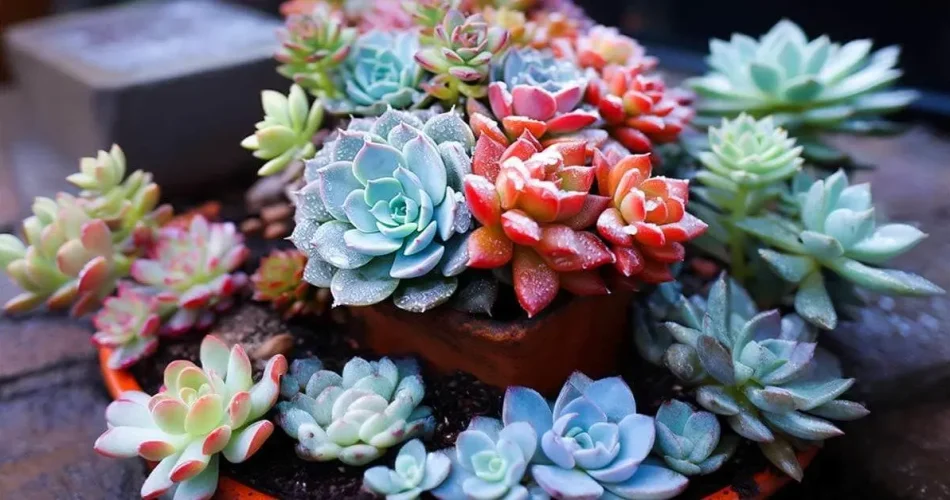
Seeking robust, aesthetically pleasing, and low-maintenance plants for your winter garden? Succulents are the answer. These plants, gaining popularity for their unique features, store water in their fleshy leaves, making them resilient to both hot and cold climates.
Adaptation to External Conditions
Fat and succulent plants excel in adapting to challenging outdoor conditions. Whether in the ground or in pots, their resilient foliage adds elegance to your garden or balcony. Perfect for those desiring easy-care plants that endure various weather conditions, these succulents thrive in sunny, windy environments and less fertile soils.
Low Maintenance Required
For a garden that dazzles with minimal effort, choose succulents. These hardy plants, thriving on the ground, infuse splendor into your outdoor spaces. With attractive foliage and vibrant flowers, they survive harsh climates, needing minimal water and care. Whether you’re an active gardener or prefer leisurely enjoyment, these succulents cater to all.
How to Choose Outdoor Succulents for Your Garden?
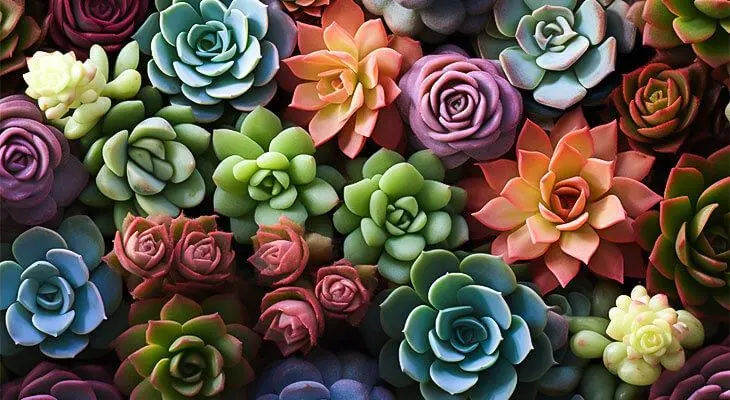
Succulent Succulents Do you want to enhance your outdoor garden with succulents but don’t know where to start? While succulents generally flourish in hot, dry climates, some are frost-resistant. Choose varieties suited to your climate for optimal growth. If your area experiences harsh winters, opt for cold-resistant succulents that maintain their beauty throughout the year. Consider your garden space and get creative by mixing shapes and colors for captivating combinations.
20 Cold-Resistant Succulents
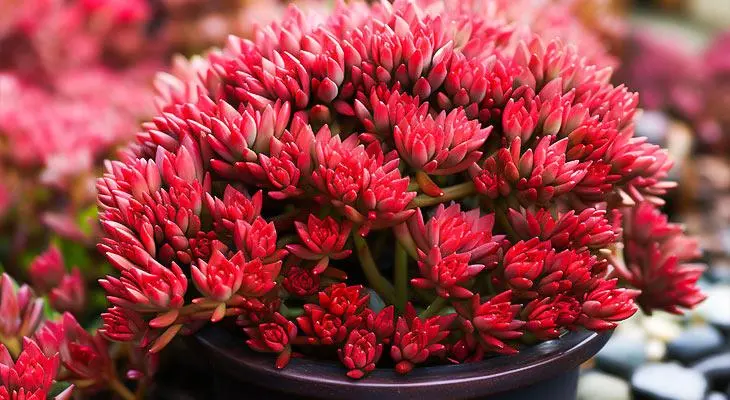
1. Red Sedum This intense, captivating succulent adds warmth to your garden with its deep red foliage. Low-maintenance and striking, it’s an excellent choice for both novices and seasoned gardeners.
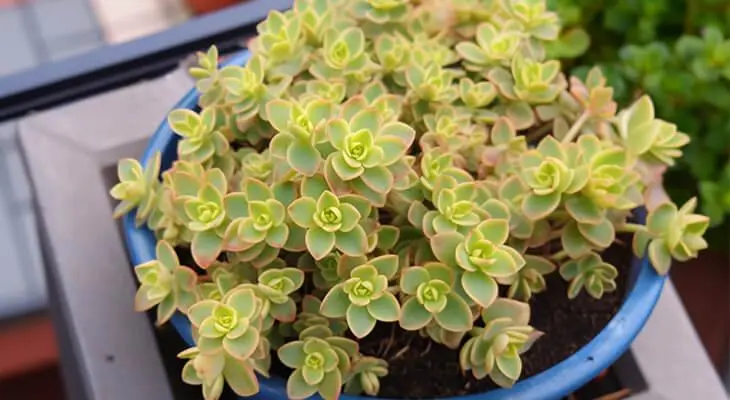
2. Sedum “Lime Twister” A gem with bright green and lemon yellow foliage, this succulent adds freshness and vibrancy to your outdoor space. Its rosette-shaped leaves create a stunning contrast, complemented by delicate pink flowers in summer.
3. Rosularia (Prometheum Chrysanthum) Versatile and frost-resistant, Rosularia boasts fleshy leaves arranged in rosettes, ranging from bright green to coppery red. It stands resilient against winter elements, transforming your landscape into a vibrant array of greenery.
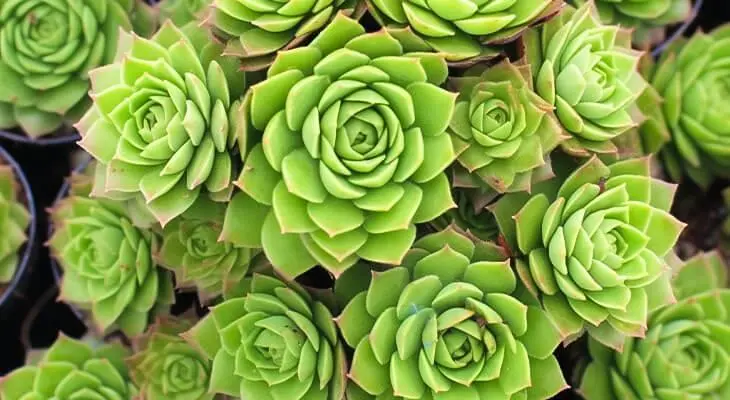
4. Houseleek (Sempervivum) Also known as “houseleeks,” these succulents bloom brilliantly, showcasing fleshy, colorful rosettes that add freshness and charm to your garden.
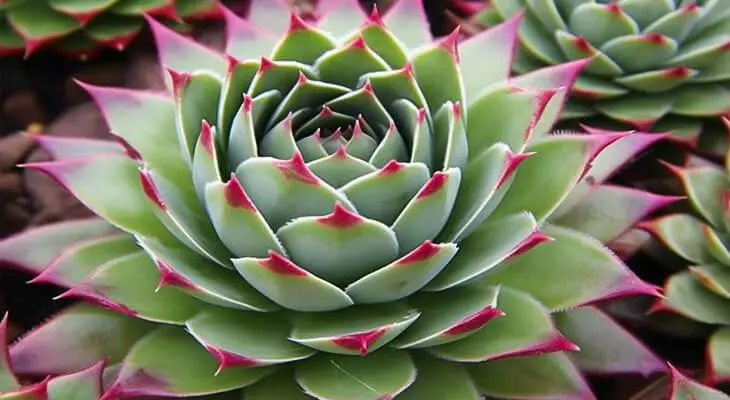
5. Sempervivum “Cosmic Candy” With a deep red hue in winter and white growth resembling a spider web, this succulent, known as “cosmic candy,” is versatile and effortlessly steals the show in your garden.
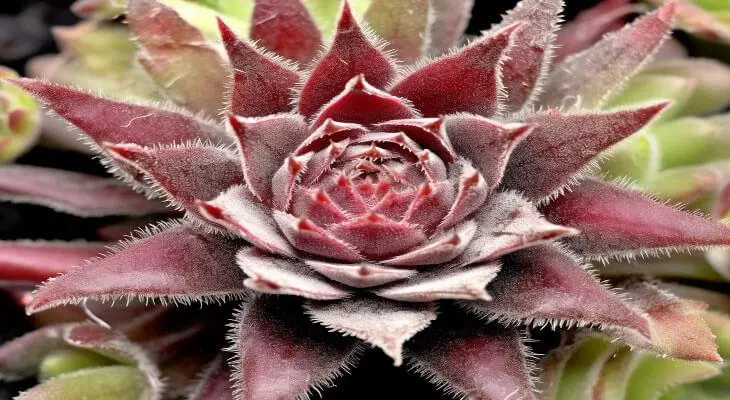
6. Stonecrop “Fuldaglut” Native to Asian mountains, this evergreen succulent displays round leaves transitioning from medium green to deep burgundy in cool weather, adding color to your winter landscape.
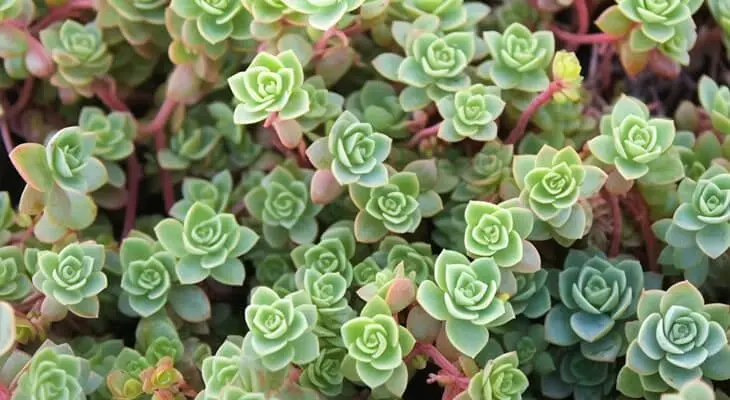
7. Sempervivum “Gold Nugget” Transforming into a vibrant mix of orange, gold, and red in winter, this succulent is perfect for ground cover or containers, providing a dazzling touch to your garden.
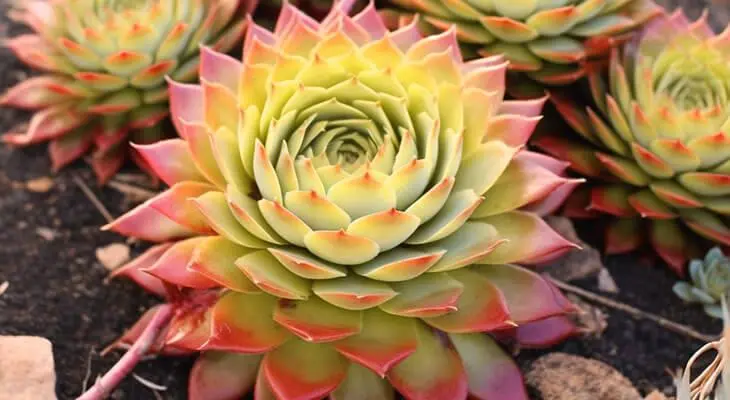
8. Kamchatka Stonecrop Hailing from Siberia’s Kamchatka Peninsula, this resilient succulent forms a carpet of green leaves with red edges, flourishing even in the harshest conditions.
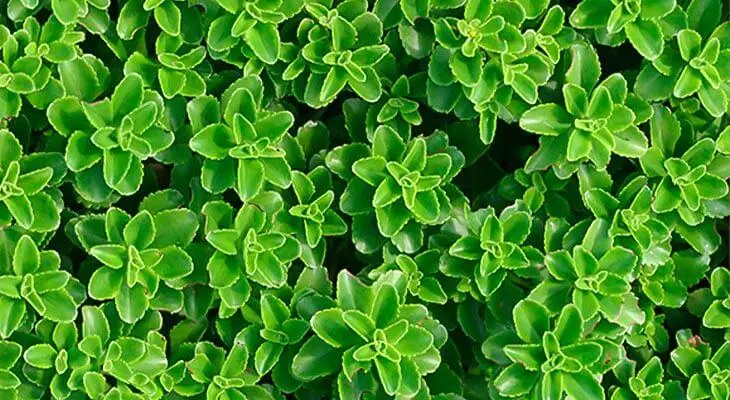
9. White Stonecrop Native to North Africa and Western Asia, this evergreen climbing plant showcases tiny white flowers in summer and turns reddish-brown in fall and winter, providing a charming winter display.
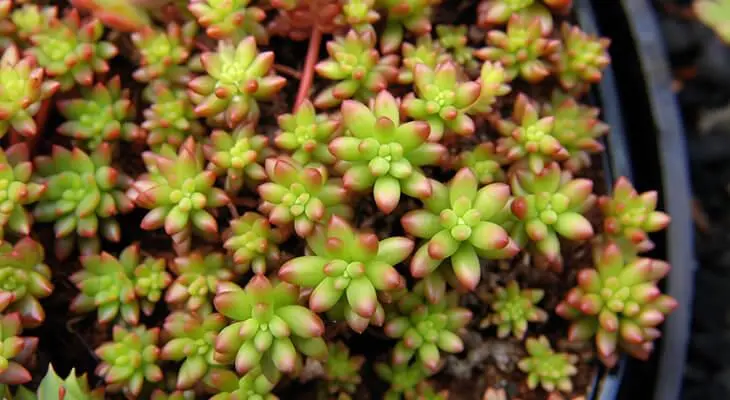
10. Sedum “Turquoise Tails” or Sedum Sediforme Forming luxurious carpets of leaves, this succulent withstands winter temperatures below zero. With charming tiny yellow flowers in summer, it adds beauty and durability to your outdoor space.
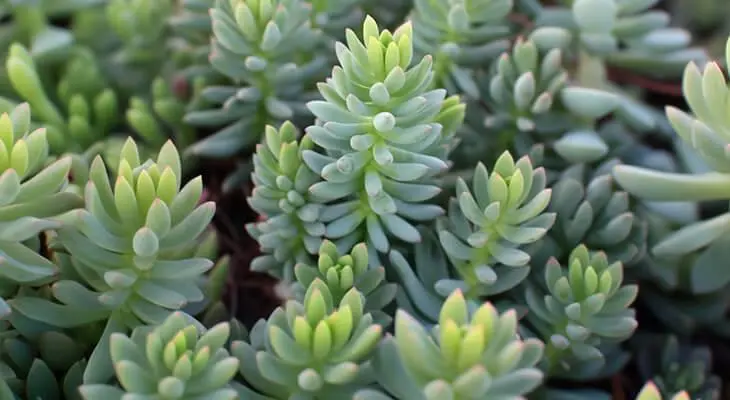
11. Sempervivum “Grammens” A gorgeous orange-pink succulent with deep plum-colored tips, it forms a dense carpet of foliage. Resistant to snow but sensitive to excess water, it thrives in outdoor spaces, offering a dazzling touch.
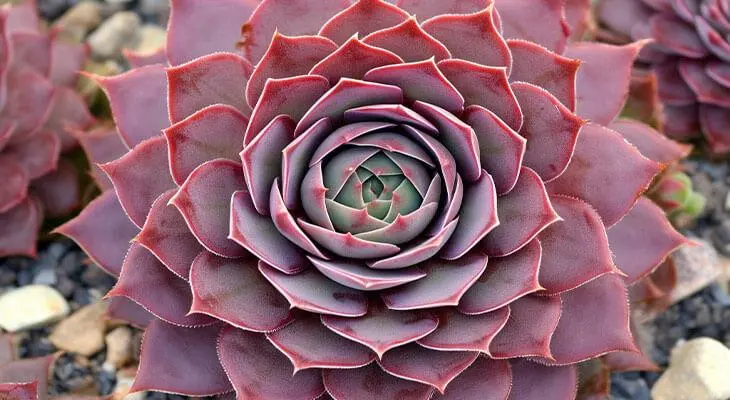
12. Sempervivum “Red” Dynamic rosettes with dark red tips spread gracefully, forming a lush carpet of foliage. Resistant to low temperatures, it blooms with spikes of pink flowers in summer, providing eternal beauty.
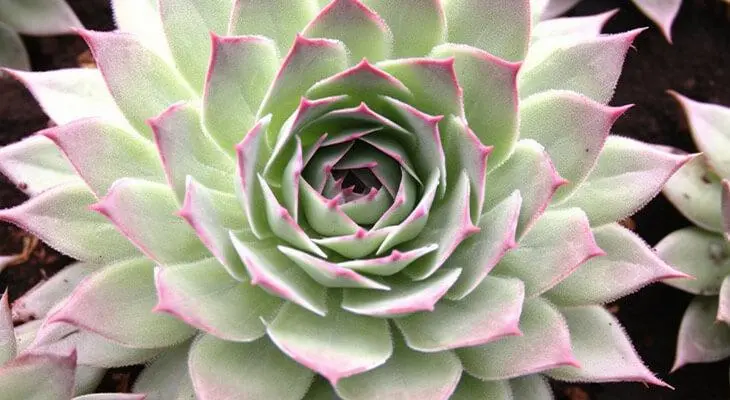
13. Sedum Spurium “Voodoo” This dynamic ground cover boasts round, flat, bright green leaves with reddish borders. Resistant to temperatures below zero, it adds an explosion of color to your landscape.
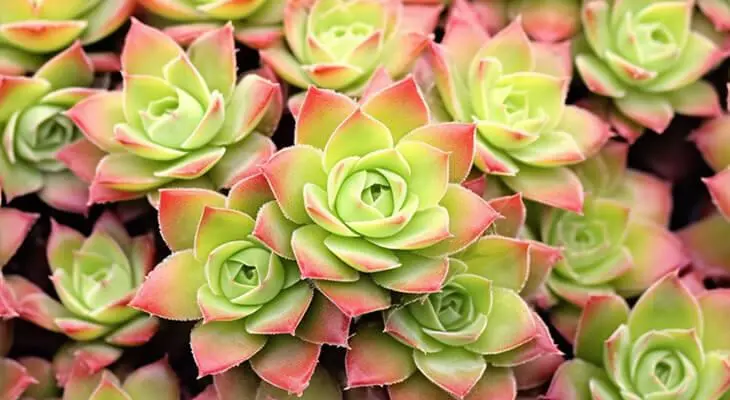
14. Sempervivum “Fandango” or Heuffelii Part of the Heuffelii subcategory, this sempervivum showcases lime green leaves turning intense red in cold weather, offering a breathtaking spectacle in winter.
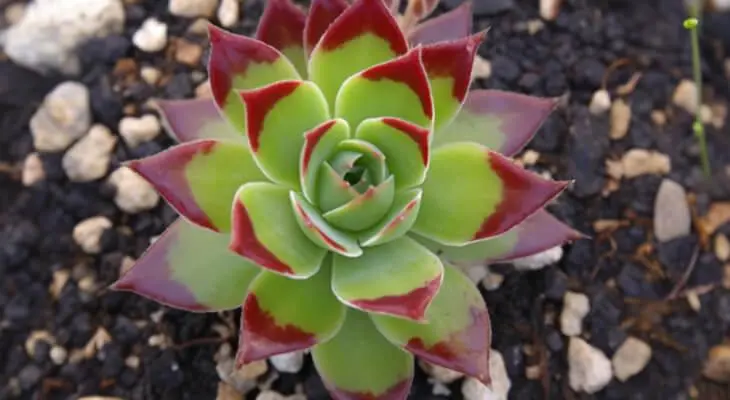
15. Sempervivum ‘Pacific Blue Ice’ With silver-blue rosettes turning purple or pink in winter, this live succulent produces tiny pink flowers in summer. Versatile and charming, it adds character to your outdoor space.
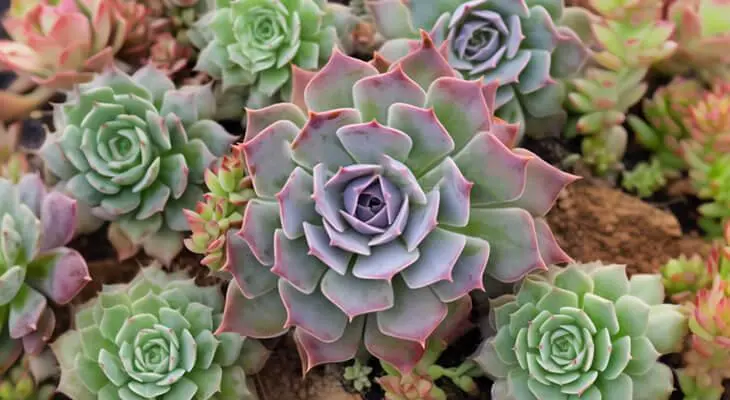
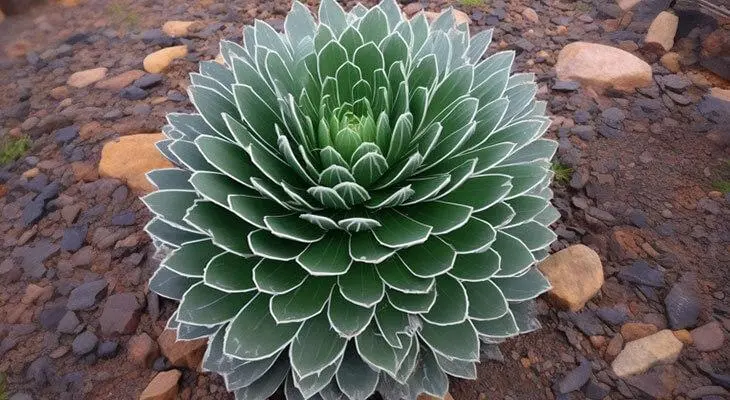
16. Agave Victoriae-Reginae A small yet impressive decorative agave with dark green leaves and contrasting white margins. Ideal for natural or contemporary designs, it resists light frost and thrives in well-drained soil.
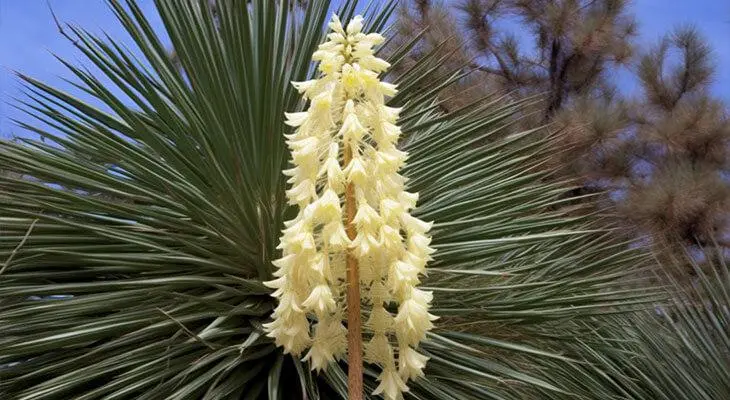
17. Yucca Gloriosa With bluish-green or cream foliage, Yucca Gloriosa adds a majestic touch to any landscape. Resisting winter cold and thriving in full sun, it’s a valuable addition to your garden.
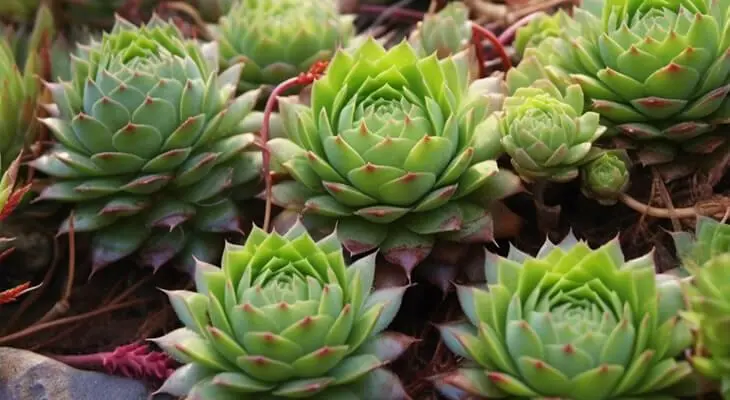
18. Hens and Chicks (Sempervivum) Hardy succulents forming rosettes of various colors, shapes, and sizes. Perfect for rock gardens or pots, they add a unique and charming touch to your garden.
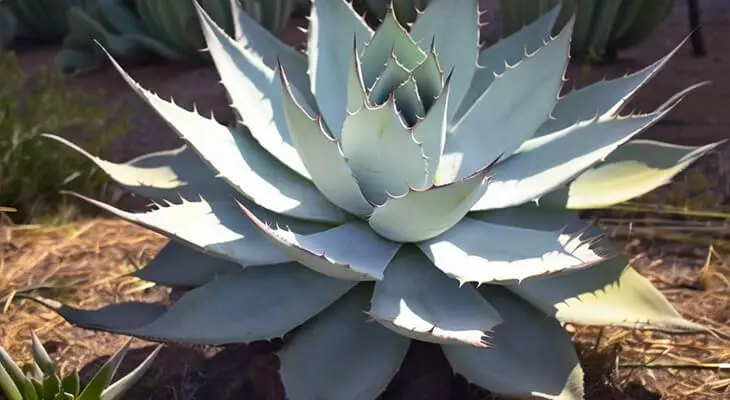
19. Parry Agave Great in groups or mixed with ornamental grasses, Parry Agave withstands low temperatures and adds visual interest to your garden.
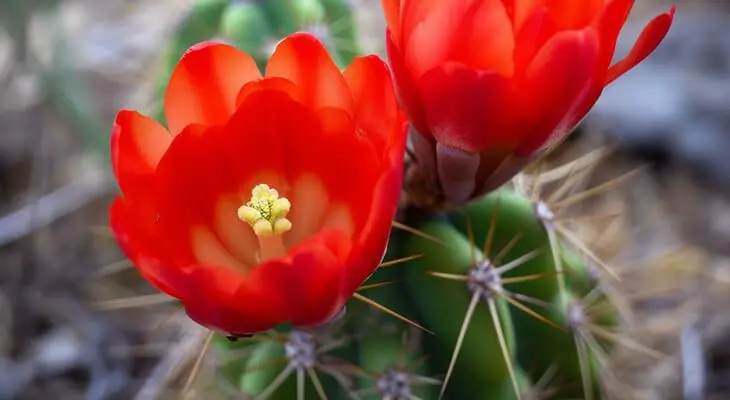
20. Echinopsis Known for its small red flowers, Echinopsis brings color to your garden while enduring cold temperatures. Whether on the ground or in a pot, it adds vibrancy to your outdoor space.
Tips for Growing Cold-Hardy Outdoor Succulents
Exposure to the Sun Ensure your succulents receive ample sunlight for optimal growth. A sunny location promotes flourishing, development, and disease resistance. Understand the specific needs of each plant and protect them from excessive sun exposure.
Soil Drainage Promote good drainage to prevent root rot. Choose naturally well-draining soil, avoid water-logged areas, and improve drainage by adding compost. Consider installing drainage systems for excess water removal.
Moderate Irrigation Practice moderate irrigation to avoid overwatering. Observe your plants, consider soil type and climate, and use tools like moisture testers. Water deeply, preferring occasional soaking over frequent watering. Adjust irrigation based on individual plant needs.